Holiday Travel & Body Pain: How to Protect Your Back, Neck, and Knees on Long Flights and Road Trips
Traveling for the holidays should feel exciting — reunions, celebrations, family time, and a break from the usual routine. But if you’re like many travelers, long flights, road trips, and hours of sitting can turn into an uncomfortable experience for your body. Back pain, stiff neck, tight hips, and achy knees are some of the most common complaints.
The good news? With the right prep and small adjustments, you can protect your body, reduce pain, and arrive feeling energized instead of exhausted. Let’s dive into why holiday travel triggers body pain — and the practical, science-backed ways to stay comfortable from departure to arrival.
Check out How to Stay Healthy and Energized through December for more tips this holiday season
Why Long Travel Causes Body Pain
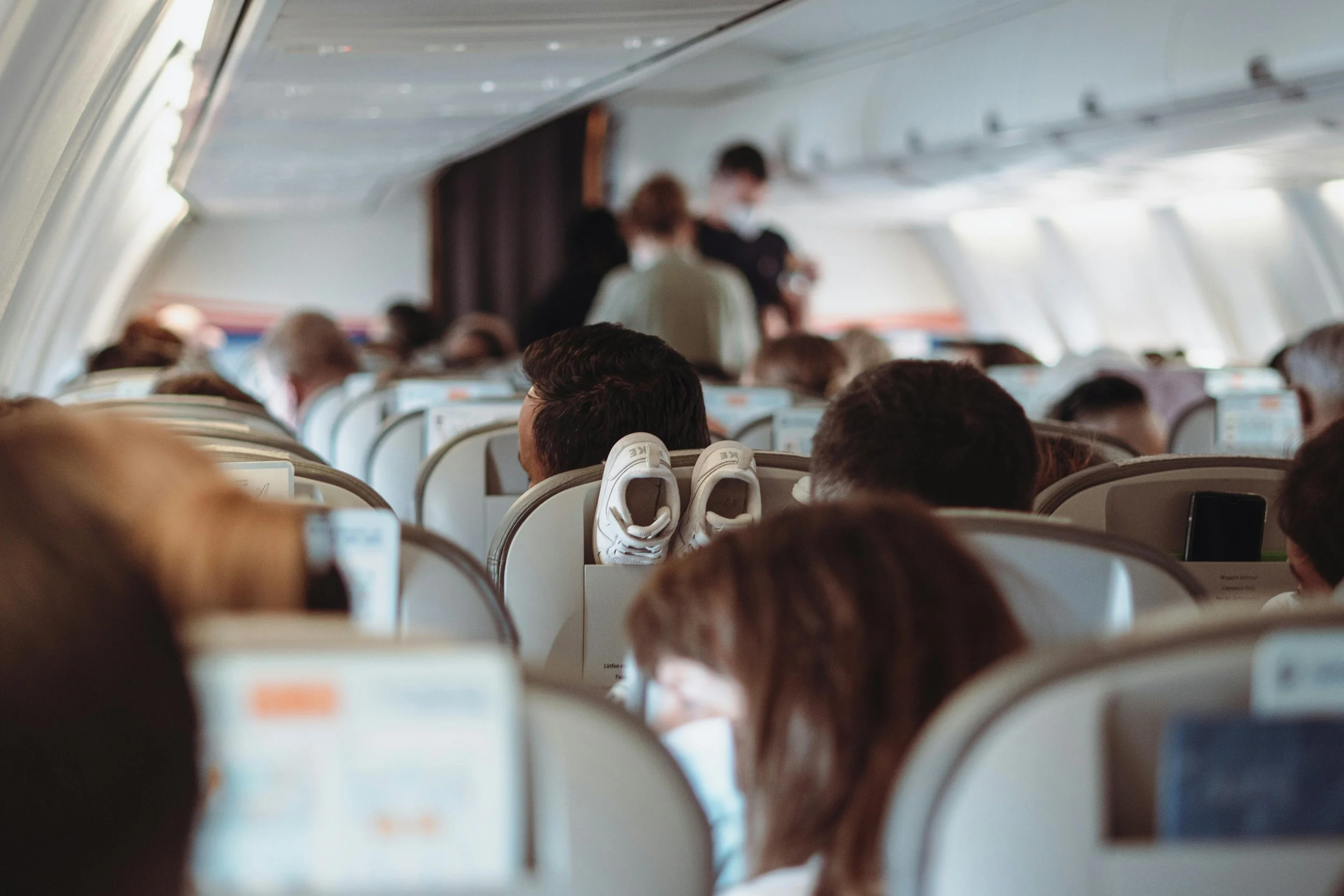
1. Prolonged Sitting Compresses Your Spine
Whether you're on a plane or in a car, sitting for hours creates pressure on your lower back. Your hip flexors shorten, your glutes stop engaging, and your spine loses its natural curve — all of which can trigger lower-back pain.
2. Limited Movement Restricts Blood Flow
Your muscles depend on circulation. Sitting still for long periods decreases blood flow to your legs, lower back, and neck, making them stiff and sore.
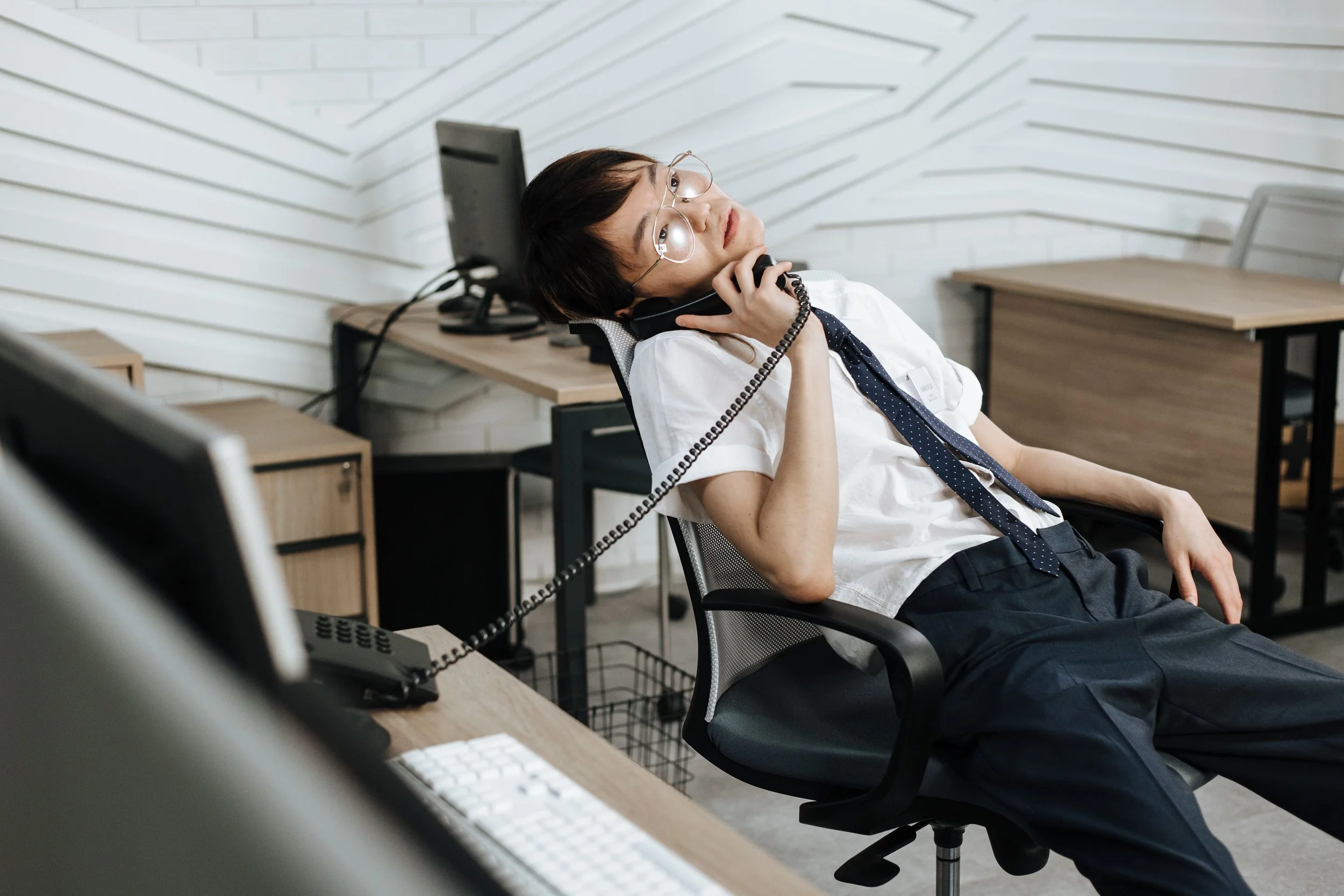
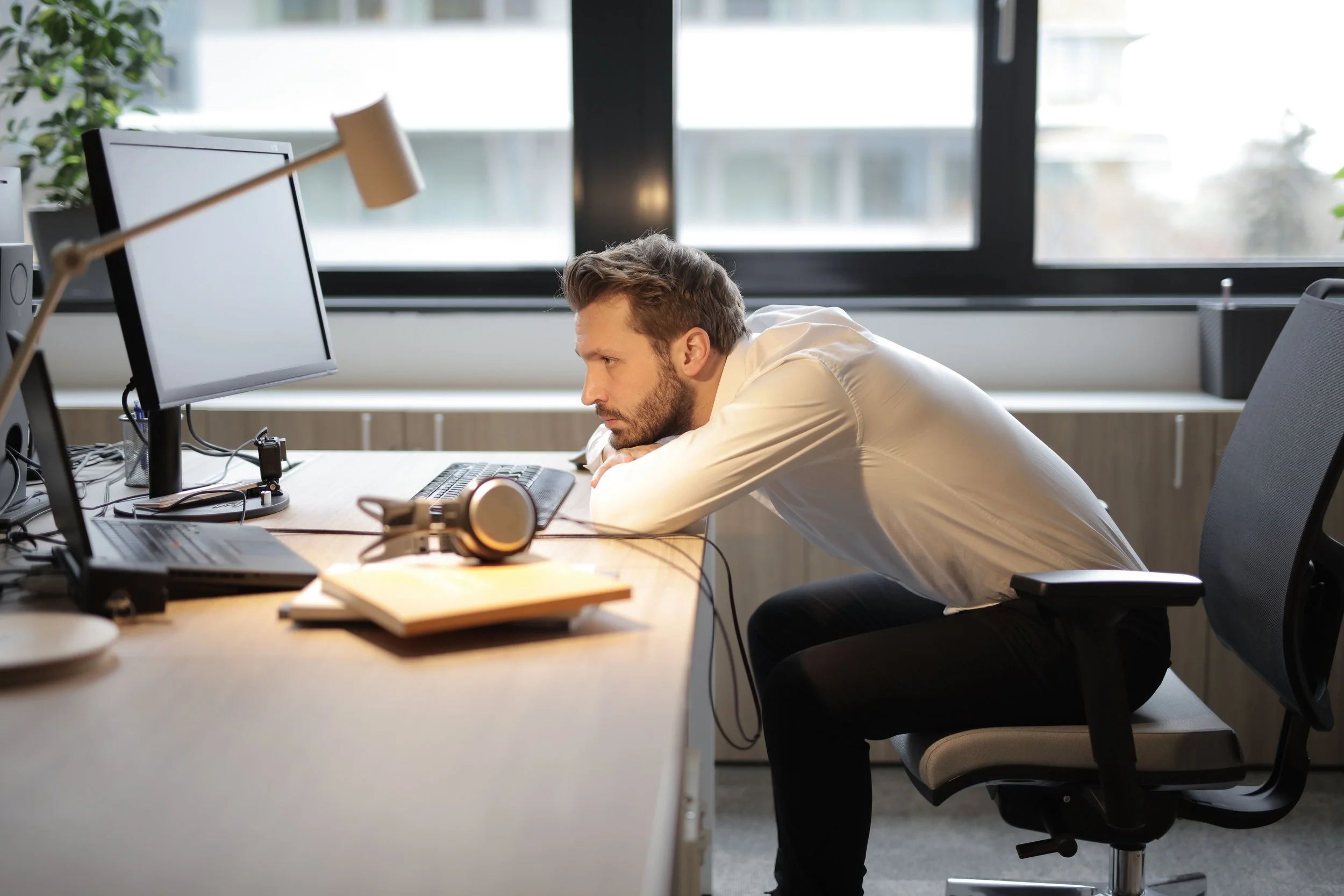
3. Poor Posture Sneaks In
Slouching toward a screen, leaning on one elbow, or resting your head awkwardly on a window puts strain on your neck, shoulders, and upper back. Even small posture mistakes add up over hours.
4. Luggage and Carry-Ons Add Extra Stress
Dragging suitcases, lifting them overhead, or carrying bags on one side can overload muscles and joints before the trip even begins.
How to Protect Your Body on Long Flights
1. Choose the Best Possible Seat for Your Body
If you can, opt for:
Aisle seats → easier movement, more leg room
Exit row seats → extra space
Bulkhead seats → no seat in front, ideal for tall travelers
Even a few extra inches of space can make a difference in spinal and knee comfort.
2. Support Your Lower Back
Most airplane seats don’t support your lumbar spine. Bring:
A small travel pillow
A rolled-up jacket
A lumbar support cushion
Place it at your lower back to maintain the natural curve of your spine.
3. Move Every 45–60 Minutes
Motion is medicine. Aim for:
Short walks down the aisle
Gentle stretches near the restroom
Ankle pumps and knee lifts while seated
Even small movements prevent stiffness and improve circulation.
4. Keep Your Neck in Neutral
Avoid sleeping with your head falling forward or sideways. Use:
A U-shaped neck pillow
A scarf rolled behind your neck
A hoodie as makeshift support
Your neck will thank you when you land.
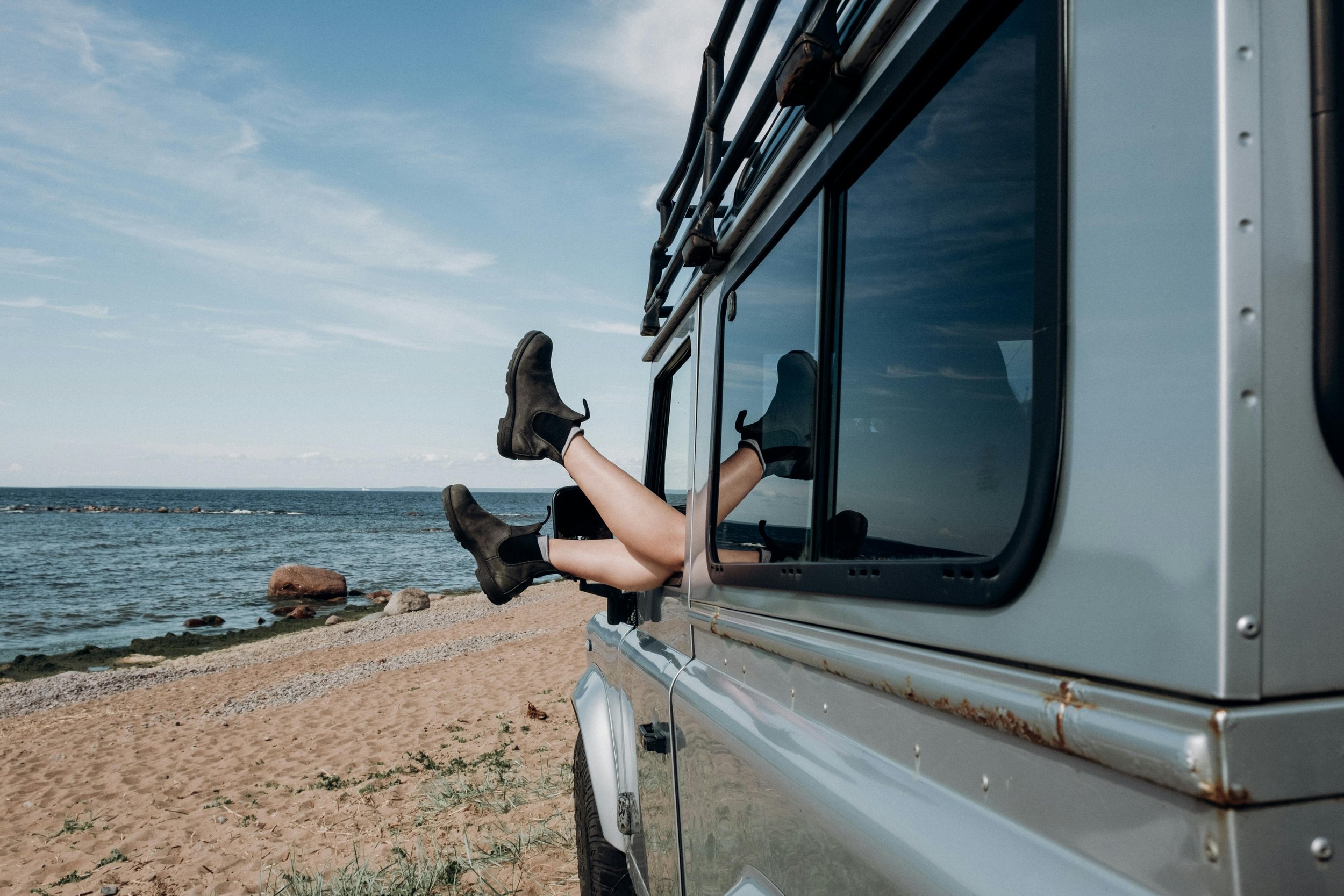
How to Protect Your Body on Long Road Trips
1. Adjust Your Seat to Support Your Whole Body
Your driving seat should:
Keep your hips level with or slightly above knees
Support your lower back curve
Allow your shoulders to relax
Stay close enough to the wheel so you don’t lean forward
A well-positioned seat reduces fatigue and keeps your spine aligned.
2. Schedule Movement Breaks
Every 60–90 minutes, pull over to:
Walk for 2–3 minutes
Stretch your hip flexors
Rotate your spine gently
Roll your shoulders
These “reset breaks” can prevent hours of pain later.
3. Switch Positions as a Passenger
If you’re not driving, you have more flexibility. Try:
Crossing and uncrossing legs
Changing seat angles
Sitting on a cushion for tailbone support
Rotating positions keeps your joints from locking up.
Learn more about What You Can Do After Sitting Too Long
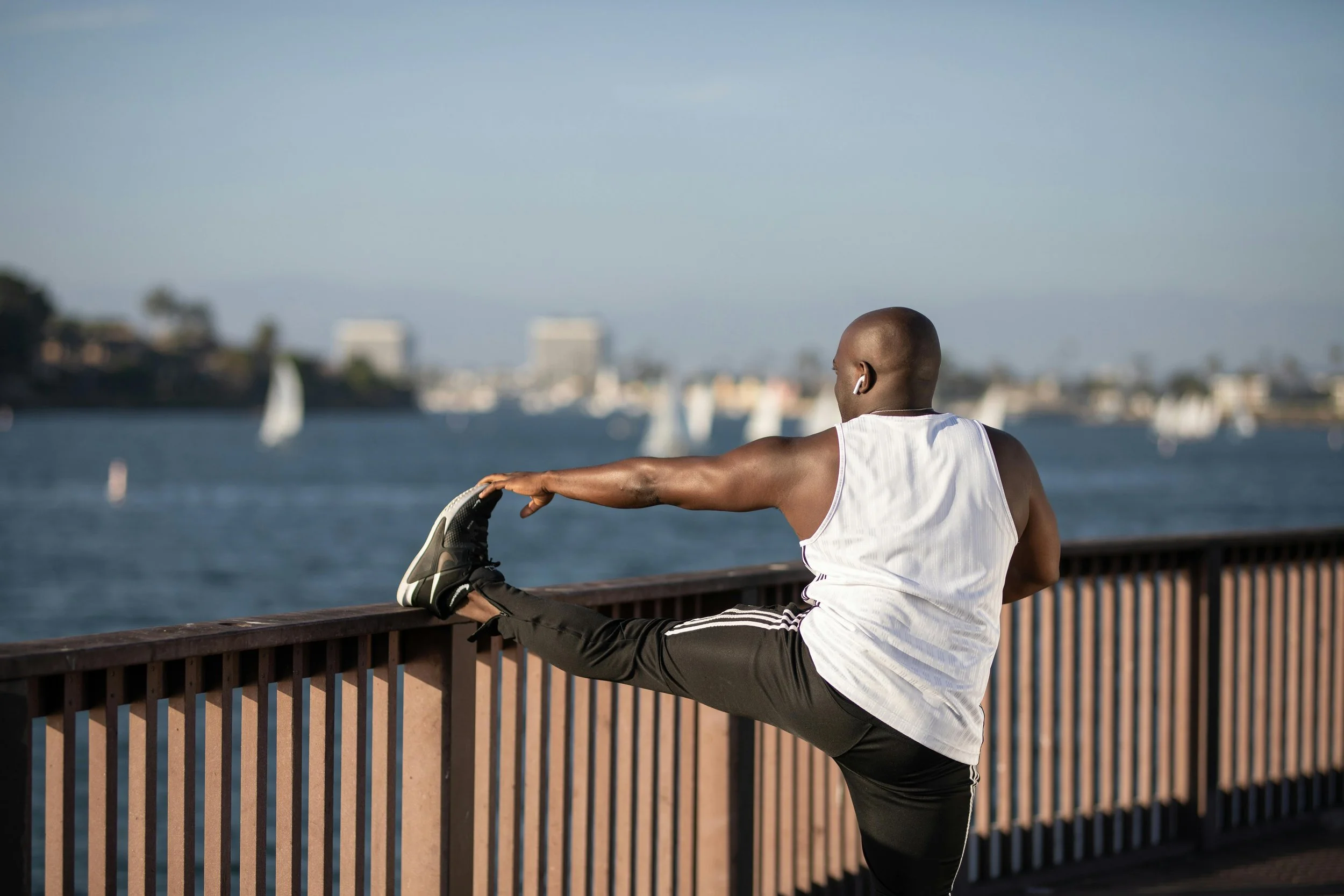
Essential Travel Stretches for Back, Neck & Knees
Try these simple moves every time your body starts to feel tight:
1. Seated Spinal Twist
Sit tall
Place your right hand on your left knee
Gently twist your torso
Hold 10–15 seconds, switch sides
Releases your upper and lower back.
2. Neck Lengthening Stretch
Sit tall
Gently bring right ear to right shoulder
Hold 20 seconds
Repeat on the left
Relieves tension from long periods of looking down at screens.
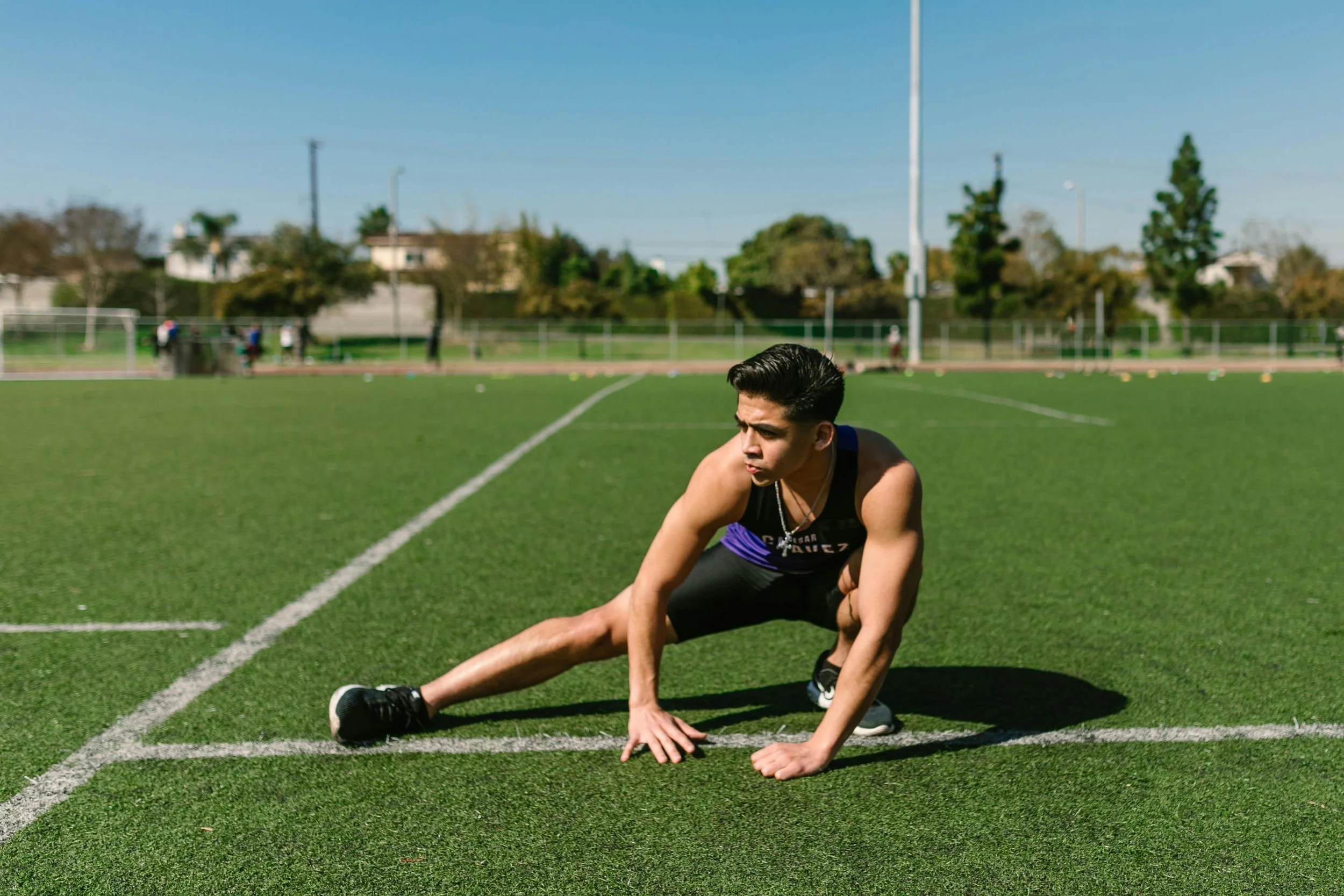
3. Hip Flexor Stretch (during stopovers)
Step one foot forward into a mini-lunge
Slightly tuck your pelvis
Lean forward gently
Loosens the muscles that tighten the most while sitting.
4. Knee Circles & Ankle Pumps
Rotate each knee clockwise and counterclockwise
Flex and point your toes
Improves circulation and reduces stiffness.
If you want to prevent joint pain and inflammation, check this supplement: Supplement for Joint & Inflammation Support
How to Carry Luggage Without Injuring Yourself
1. Use a suitcase with quality wheels
Avoid dragging heavy bags on uneven weight. Four-wheel suitcases distribute load better.
2. Lift with your legs, not your back
Keep the suitcase close
Bend your knees
Avoid twisting your torso while lifting
3. Alternate sides when carrying backpacks or handbags
This prevents overloading one shoulder and creating an imbalance.
Travel-Friendly Pain Prevention Tips
1. Stay hydrated
Airplane cabins are extremely dry. Dehydration stiffens muscles and joints.
2. Avoid crossing your legs for too long
It can pull your pelvis out of alignment and stress your lower back.
3. Use heat or cold patches
Disposable patches can help relax tight muscles.
4. Keep inflight essentials in a small pouch
Include:
Pain relief patches
Mini massage ball
Travel pillow
Eye mask
Supplements (more on this below)
If you want to relax your muscles and sleep better on long flights, check this supplement: Supplement for Muscle Relaxation & Better Sleep
When to Seek Professional Help
If you experience:
Sharp or shooting pain
Numbness or tingling
Knee swelling
Persistent stiffness after the trip
…it’s best to consult a physical therapist or movement specialist. Pain that doesn’t go away is not “normal travel soreness” — it’s your body signaling that something needs deeper care.
Final Thoughts: Travel Smart, Move Often, and Support Your Body
Holiday travel doesn’t have to leave you feeling tight, sore, or exhausted. With conscious posture, regular movement, proper support, and the right supplements, you can protect your back, neck, and knees — and enjoy the season pain-free.
And to level up your mobility and recovery even more, don’t miss this video: