How to Start the New Year Pain-Free: A Realistic Wellness Reset for Busy Adults
The start of a new year often brings renewed motivation — but also lingering aches, stiffness, and fatigue from the holiday season. Many busy adults begin January with big health goals, only to feel overwhelmed or discouraged when pain and low energy get in the way.
If you’re starting the year dealing with knee pain, back stiffness, neck tension, or constant fatigue, you’re not alone. The problem isn’t a lack of discipline — it’s unrealistic expectations and missing fundamentals.
The good news? You don’t need extreme workouts, strict routines, or drastic lifestyle changes to feel better. A realistic wellness reset focused on movement, posture, recovery, and consistency can help you start the year pain-free — even with a full schedule.
Here’s how to do it the right way.

Why Pain Often Follows You Into the New Year
Most people assume body pain magically appears in January. In reality, it’s the result of habits built over months — especially during the holidays.
Common contributors include:
Prolonged sitting and poor posture
Reduced movement and exercise
Increased stress and poor sleep
Travel, long drives, and irregular routines
These factors place extra strain on joints and muscles, particularly the knees, lower back, neck, and shoulders.
Learn how to prevent knee pain: Why Knee Pain Is Increasing Among 30- to 40-Year-Olds — And How to Prevent It
Ignoring these patterns and jumping straight into intense workouts often makes pain worse — not better.
Step 1: Move Daily — Not Aggressively
One of the biggest mistakes people make in January is doing too much, too soon.
Instead of intense workouts, focus on daily, low-impact movement that keeps joints mobile and muscles relaxed.
Simple daily movement ideas:
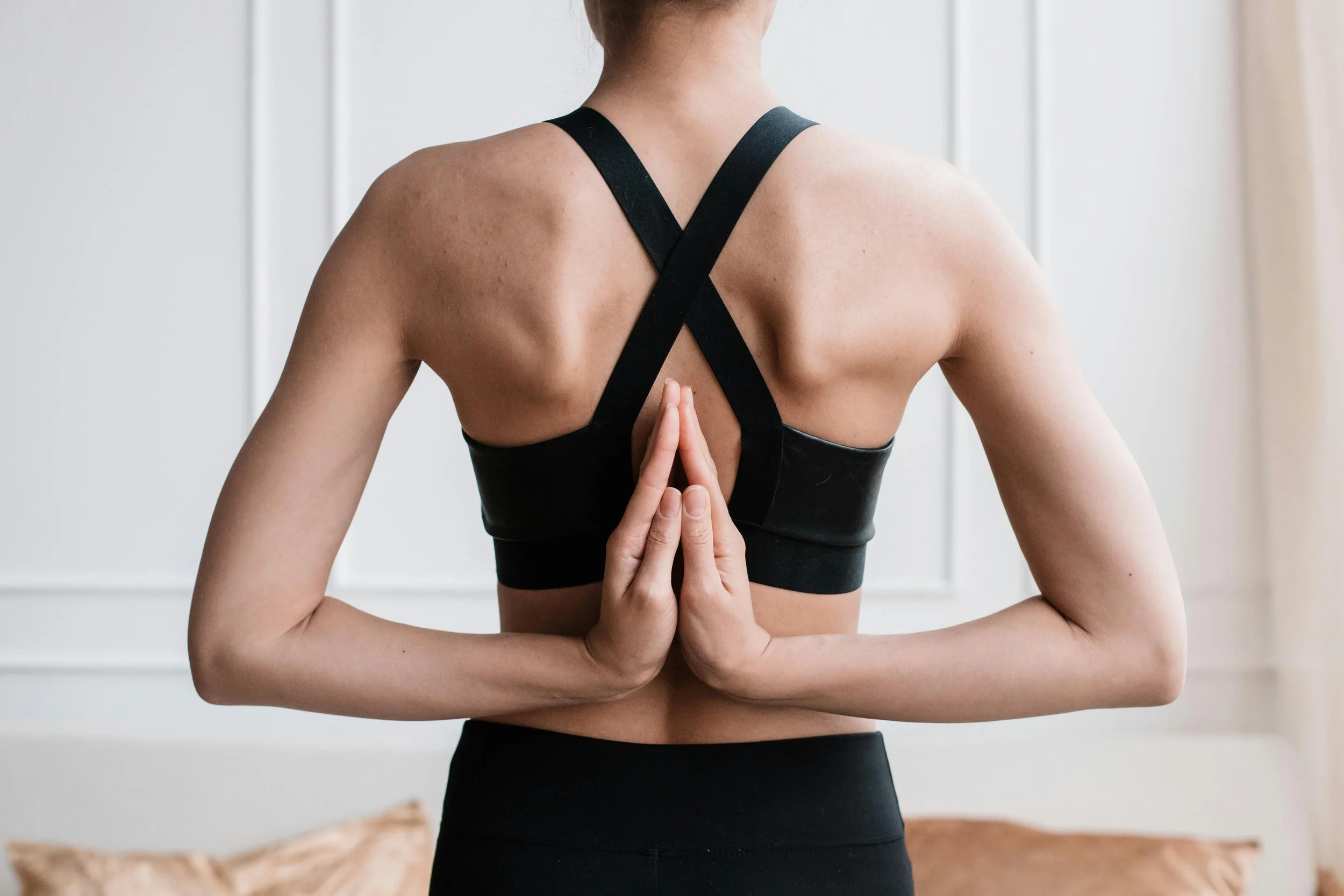
Gentle mobility work in the morning
Short walking breaks during the day
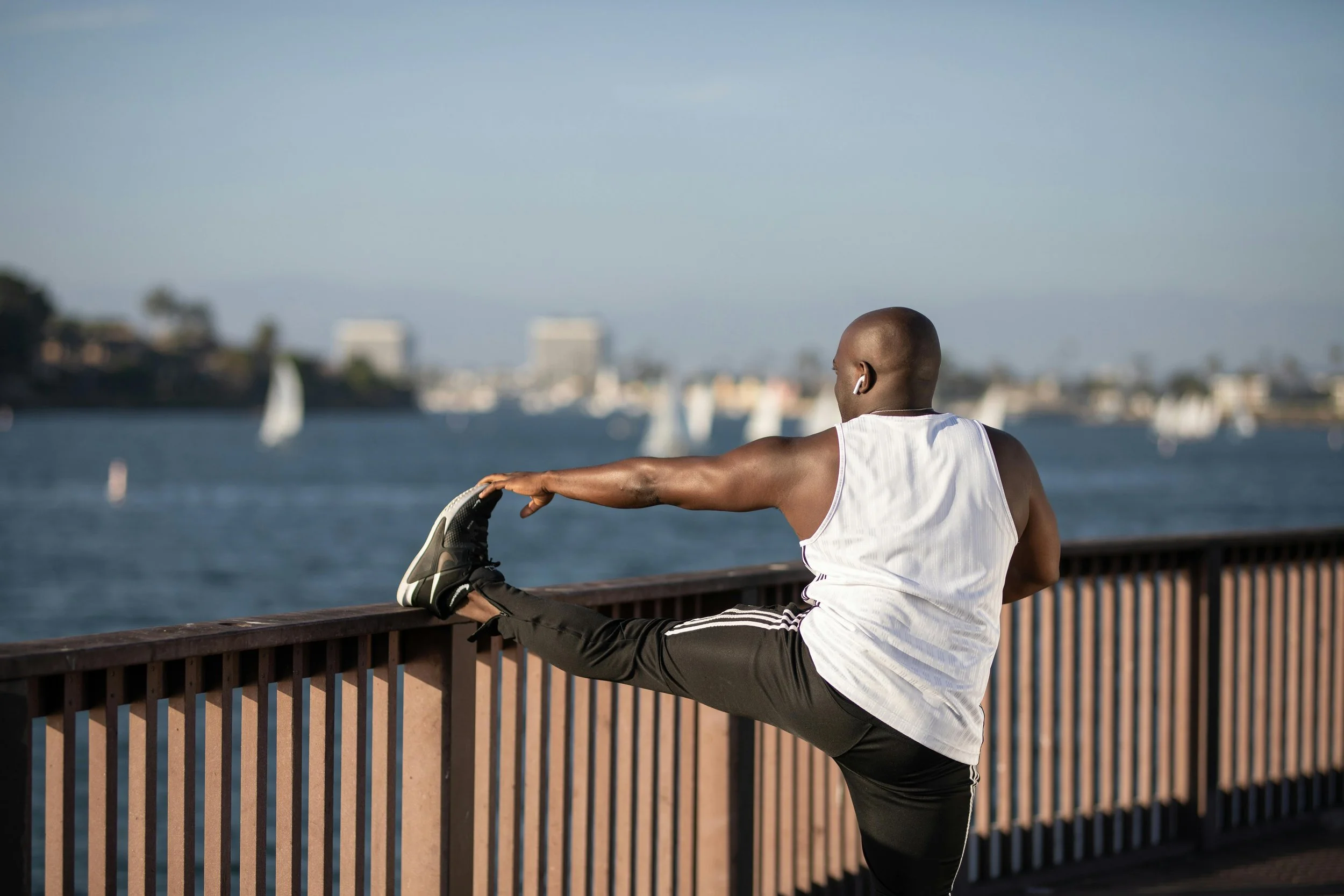
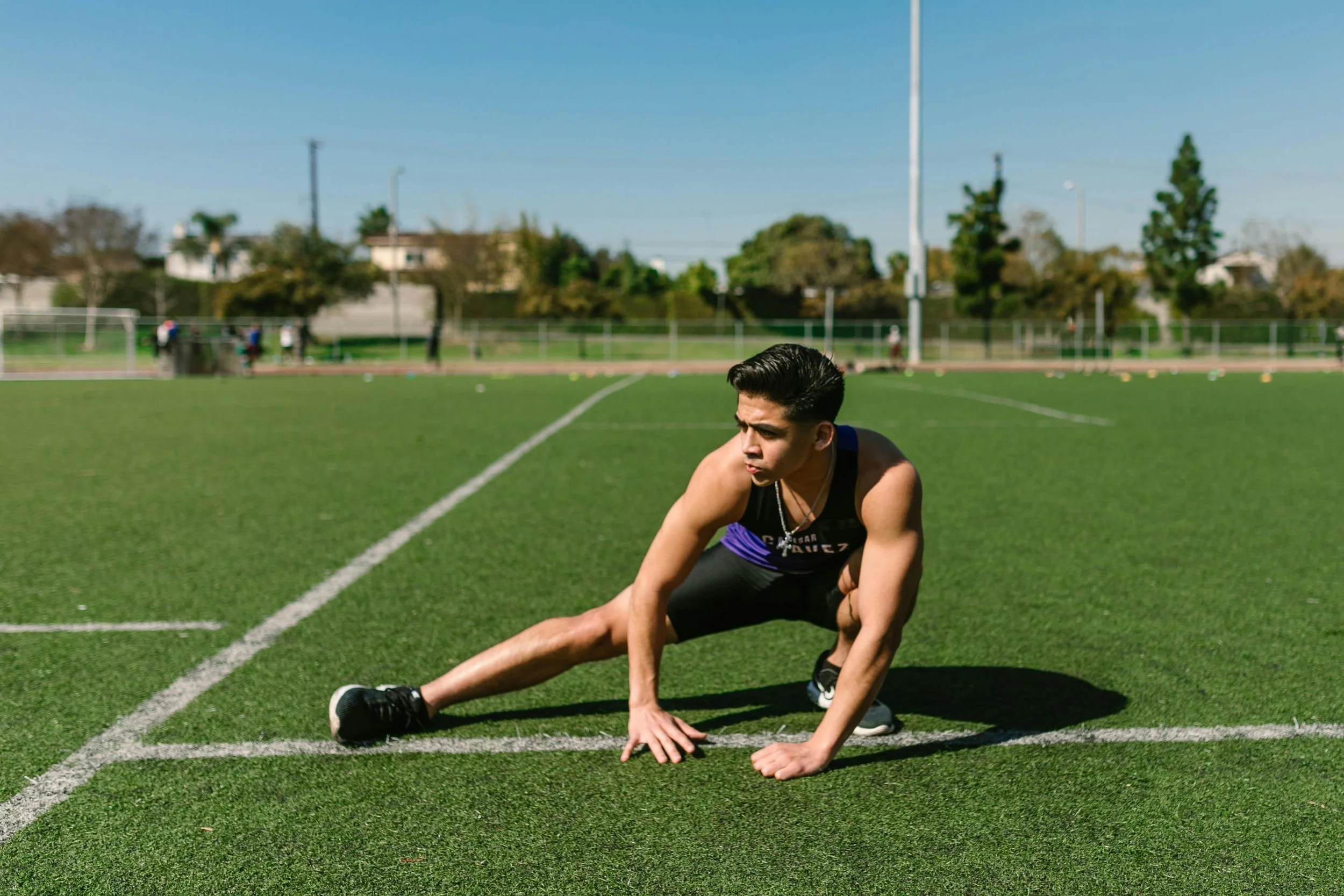
Stretching hips, calves, and upper back
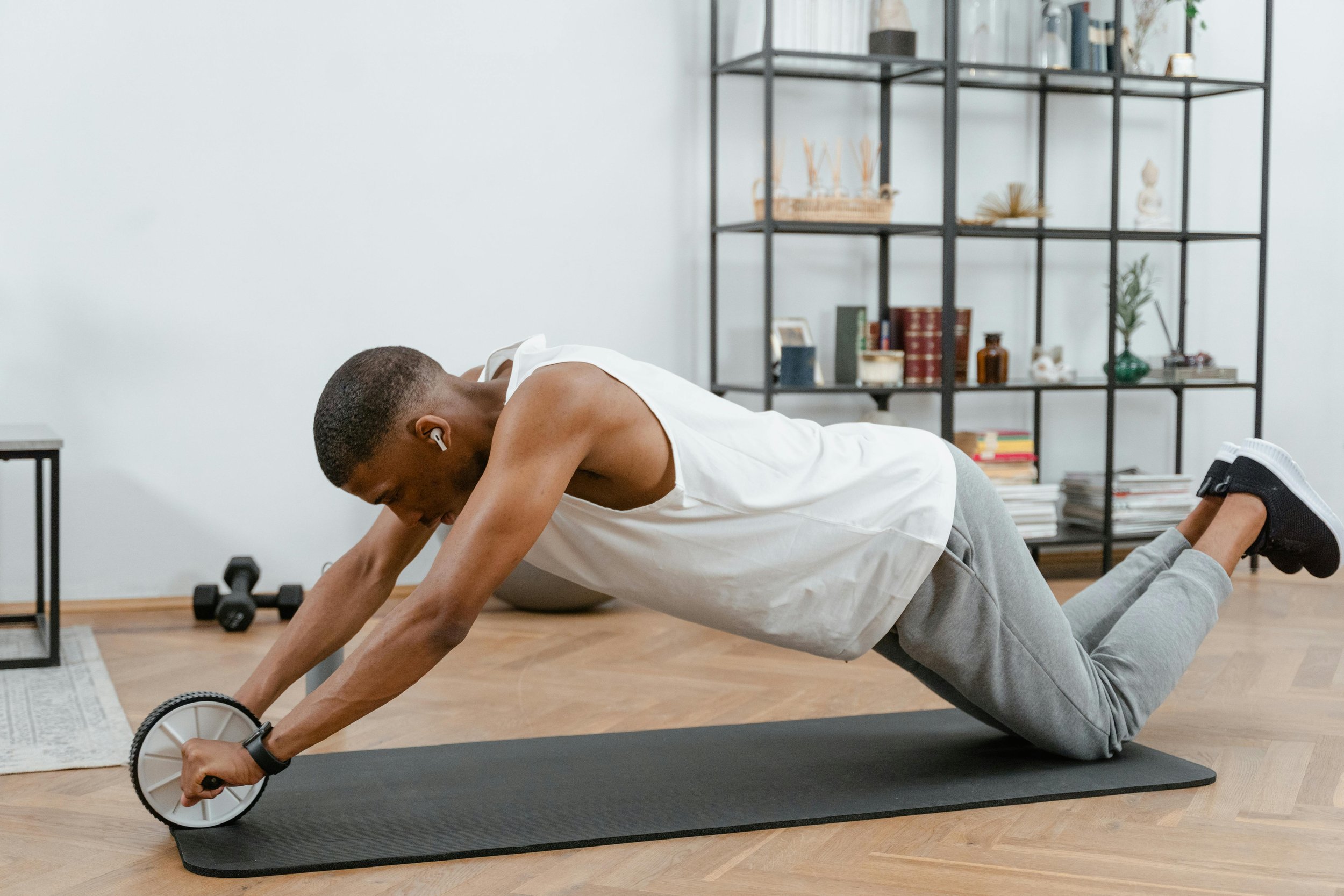
Light strength or functional exercises
This approach reduces stiffness and supports joint health — especially in the knees and lower back.
Here’s how to protect your knees if you have a sedentary lifestyle: Sedentary Lifestyle & Desk Work: Hidden Causes of Knee Pain in Young Adults (And How to Fix It Naturally)
Step 2: Reset Posture & Ergonomics
Many New Year aches are posture-related, especially for desk workers.
Poor posture places constant stress on:
Knees (from tight hips and weak glutes)
Lower back (from prolonged sitting)
Neck and shoulders (from screen positioning)
Small ergonomic changes can dramatically reduce pain:
Adjust monitor height to eye level
Keep feet flat and knees comfortably supported
Sit tall with relaxed shoulders
Stand and move regularly
Learn the importance of ergonomics: The Crucial Connection: Ergonomics and Back Health
Posture isn’t about perfection — it’s about awareness and frequent correction.
Step 3: Support Recovery with Sleep & Stress Management
Recovery is often the missing link in New Year wellness plans.
When stress stays high and sleep quality drops:
Muscles don’t recover properly
Pain sensitivity increases
Energy levels crash
Helpful recovery habits:
Maintain a consistent sleep schedule
Reduce screen time before bed
Use gentle stretching or breathing at night
Build small recovery moments into your day
Better recovery equals better movement — and less pain.
Step 4: Build Strength That Supports Daily Life
Strength training doesn’t have to mean heavy weights or long gym sessions.
Functional strength focuses on:
Supporting joints
Improving balance and coordination
Enhancing posture and movement efficiency
This type of training helps you move better, not just look fitter.
The key is choosing exercises that support your lifestyle — especially if you sit or travel often.
Final Thoughts: A Pain-Free New Year Is Built — Not Rushed
Starting the New Year pain-free doesn’t require perfection. It requires awareness, consistency, and realistic habits that support your body — not fight it.
By focusing on:
Daily movement
Posture awareness
Recovery and sleep
Functional strength
…you can build momentum without burnout.
The goal isn’t a perfect January — it’s a healthier, pain-free year ahead.