Sedentary Lifestyle & Desk Work: Hidden Causes of Knee Pain in Young Adults (And How to Fix It Naturally)
Knee pain has long been associated with older adults, high-level athletes, or people recovering from injuries. But in recent years, a surprising trend has emerged: young adults in their 20s, 30s, and early 40s are experiencing more knee pain than ever before.
One of the biggest culprits?
A sedentary lifestyle and long hours of desk work.
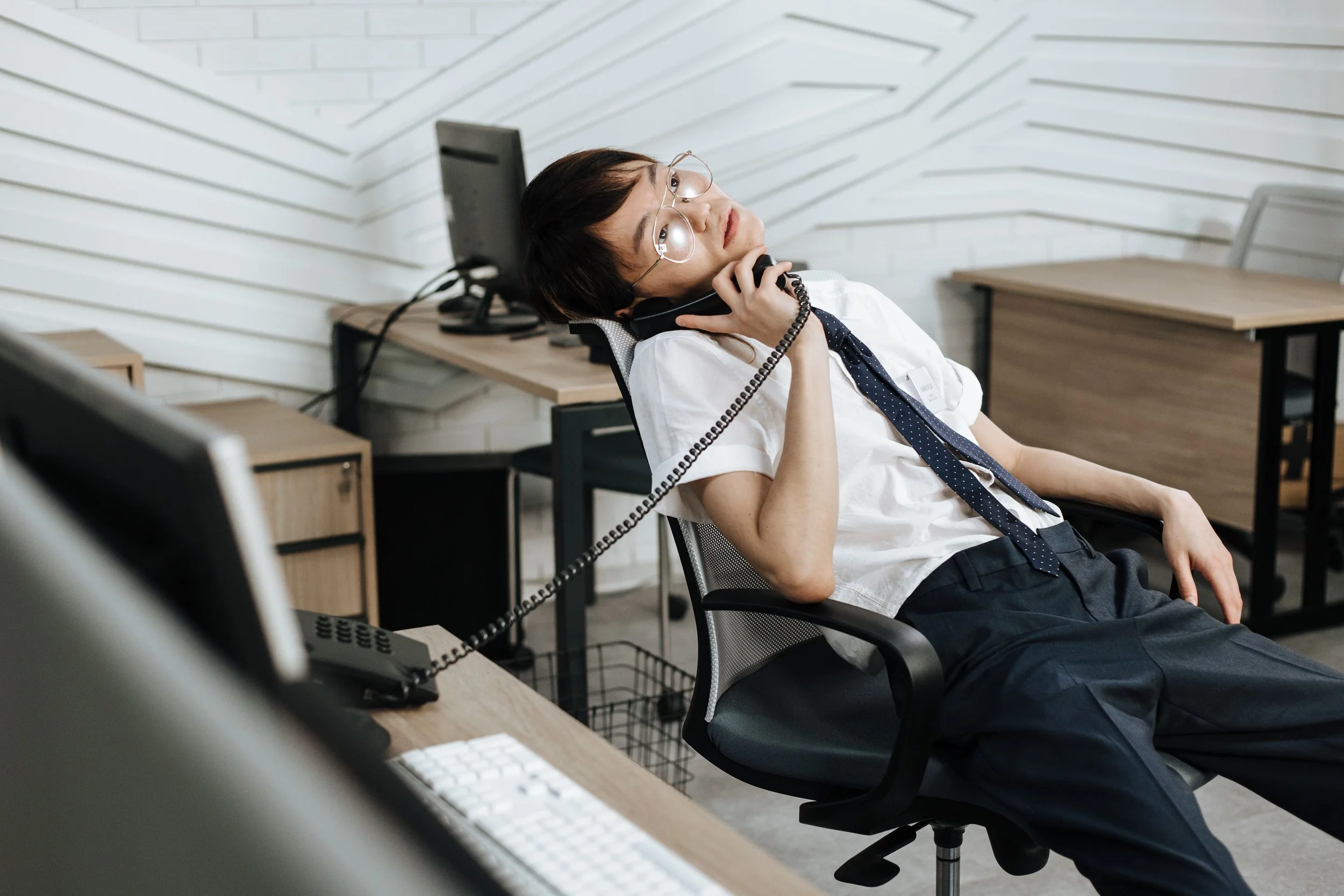
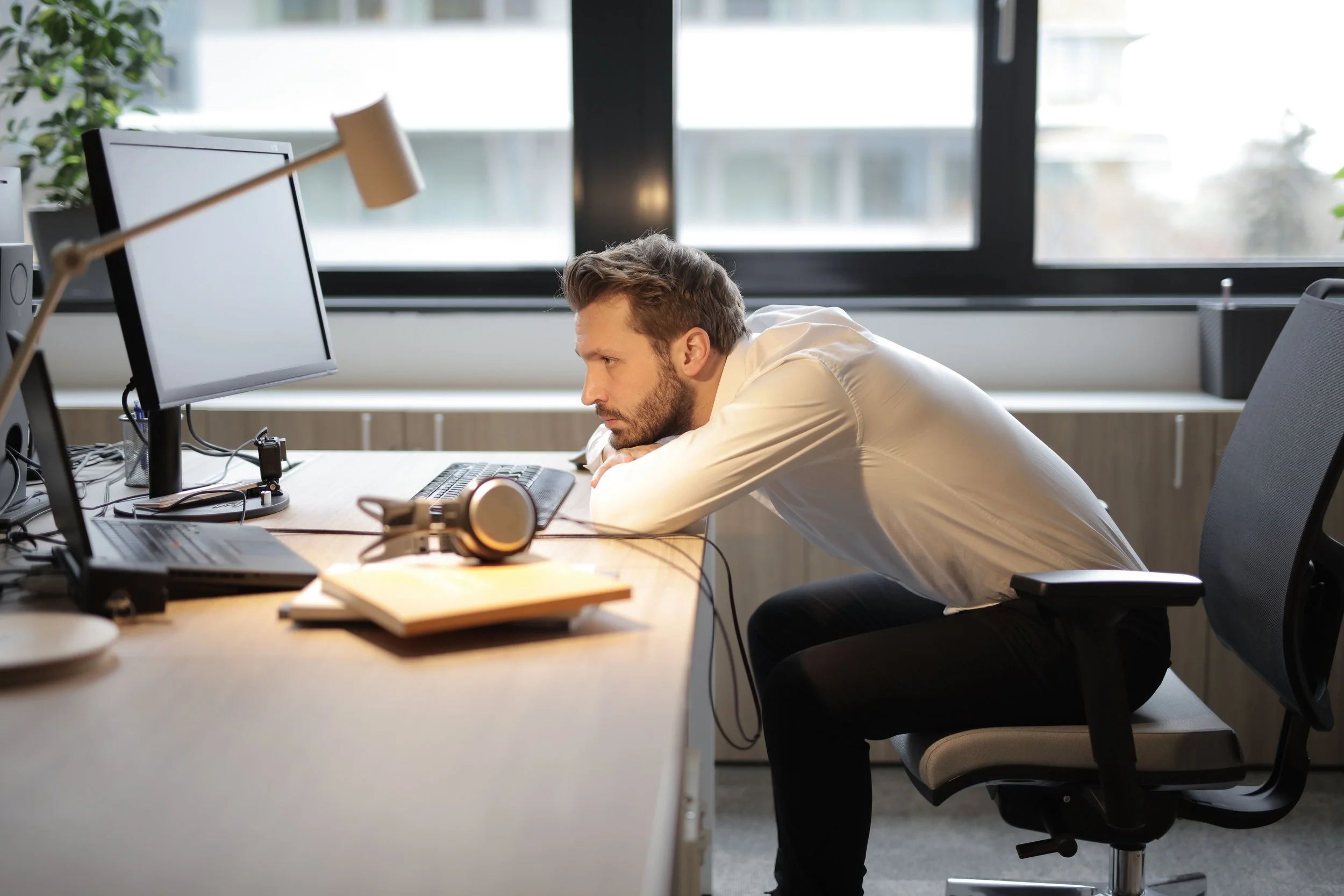
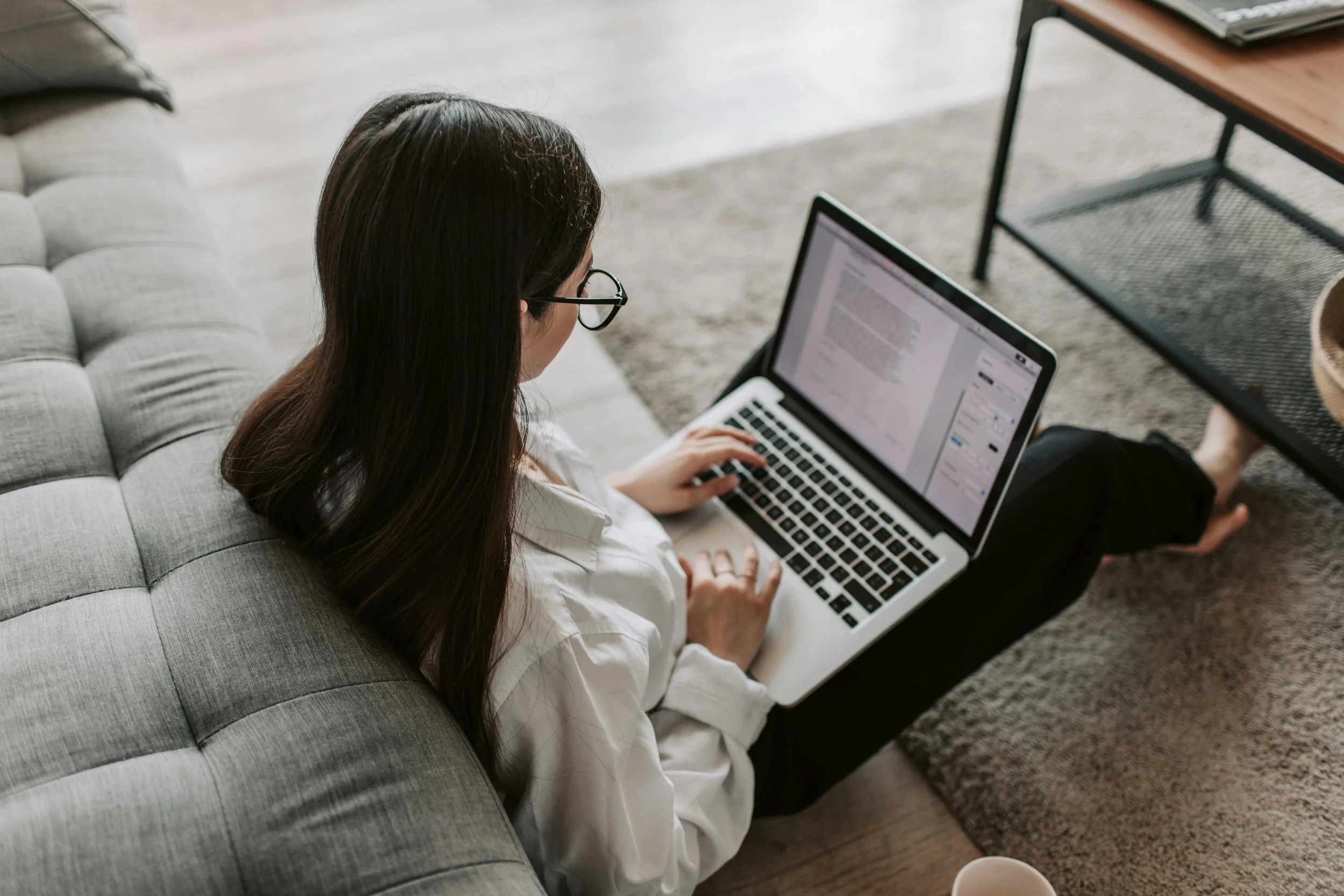
As remote work, digital careers, and computer-heavy jobs continue to grow, so does the amount of time people spend sitting. And while most people link sitting to back or neck issues, the knees are quietly suffering too.
Why Desk Work Is a Major Contributor to Knee Pain
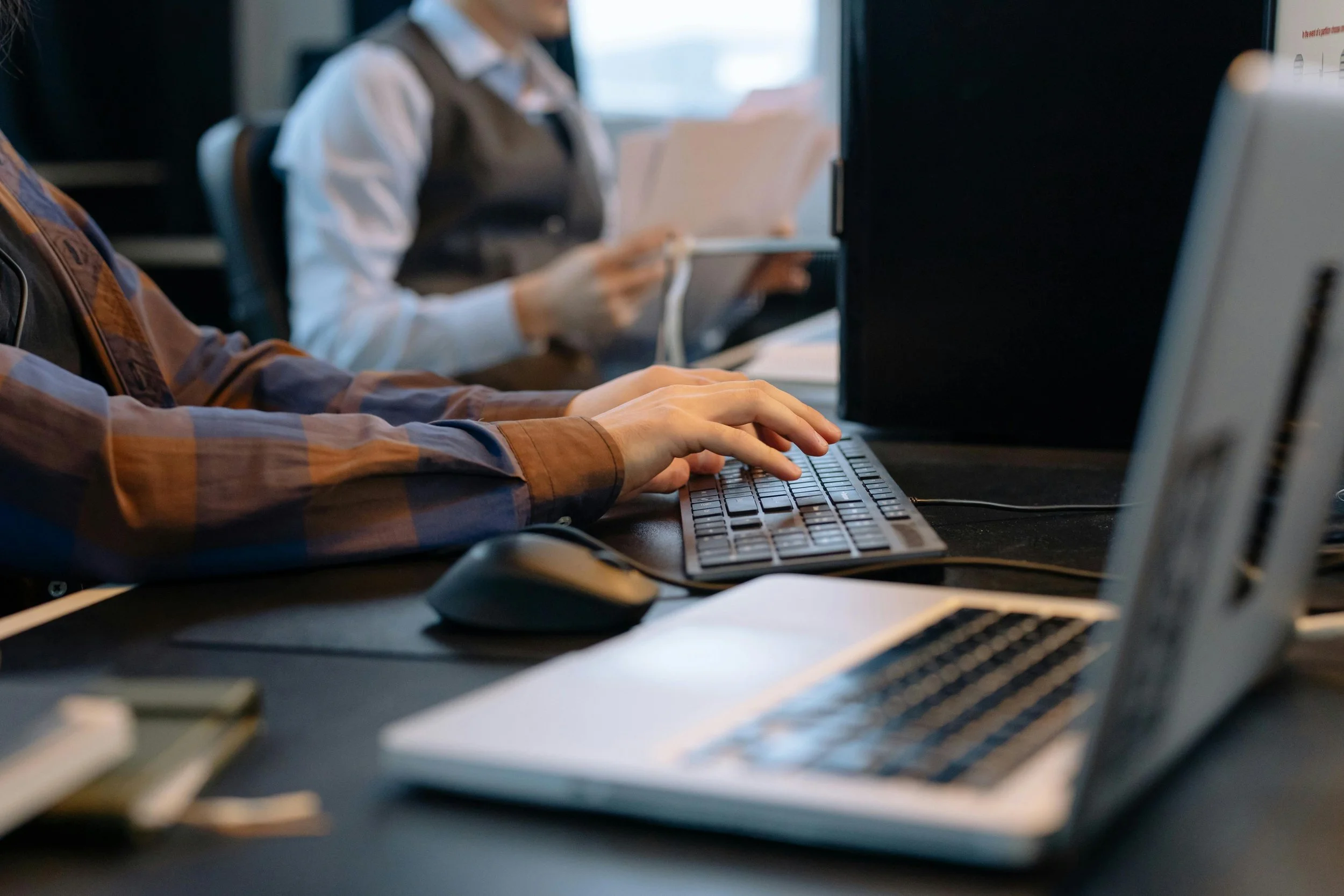
Modern young professionals spend an average of 7–10 hours sitting every day. Add commuting, meals, and leisure time, and suddenly the knees are bent and inactive for most of the day.
Here’s how that becomes a problem:
1. Tight Hip Flexors = More Pressure on the Knees
When you sit for long periods, your hip flexors shorten.
Tight hip flexors tilt the pelvis forward, increasing pressure on your quadriceps.
And when your quads work overtime just to keep you upright, that tension transfers directly to the knees.
This can lead to:
Patellofemoral pain syndrome
Pain when climbing stairs
Discomfort when squatting
2. Weak Glutes Lead to Poor Knee Alignment
Extended sitting weakens your glutes, especially the glute medius, which stabilizes your hips.
Weak hips = your knees collapse inward (valgus) when you walk, stand, or run.
This misalignment puts long-term stress on knee joints and cartilage.
3. Poor Circulation Builds Stiffness
Sitting slows blood flow to the lower body.
The result?
Stiff, achy, heavy-feeling knees — especially when standing up after sitting for too long.
4. Imbalanced Muscles Change Your Movement Patterns
A desk lifestyle leads to:
Overactive quads
Weak hamstrings
Tight calves
Underactive core
This imbalance affects how you stand, walk, run, squat, and even stretch. Over time, the knee compensates and wears down faster.
5. Sedentary Habits Increase Inflammation
Lack of movement is linked to chronic inflammation, which can irritate the soft tissue around the knee and worsen pain.
You can also read this article about why knees hurt for sitting too long: Why Your Knees Hurt After Sitting Too Long (and What You Can Do About It)
Why Young Adults Are More at Risk Today
Even though younger generations are more health-conscious, they’re also the most digital.
Most 30- to 40-year-olds today:
Work remotely or hybrid
Spend long hours on laptops
Sit during meetings, meals, and transportation
Exercise less because of time constraints
Experience stress-related tension
This lifestyle creates the perfect storm for early knee pain — even without injury.
The Hidden Signs Your Knee Pain Is Desk-Related
If you experience any of these, your job might be the reason why:
✔ Knee stiffness after sitting for 20–30 minutes
✔ Pain when standing up from a chair
✔ Knees cracking or clicking more often
✔ Swelling around the kneecap after a long workday
✔ Pain when squatting, lunging, or going up stairs
✔ Discomfort after long drives or flights
If this sounds like you, your knees aren’t “just getting old” — they’re simply reacting to the lack of movement and imbalances from sitting.
How to Protect Your Knees Even If You Work at a Desk
The good news? You can reverse desk-related knee pain with consistent movement and small habit changes.
1. Stand Up Every 30–45 Minutes
Movement restores circulation and reduces stiffness.
Even 60 seconds helps.
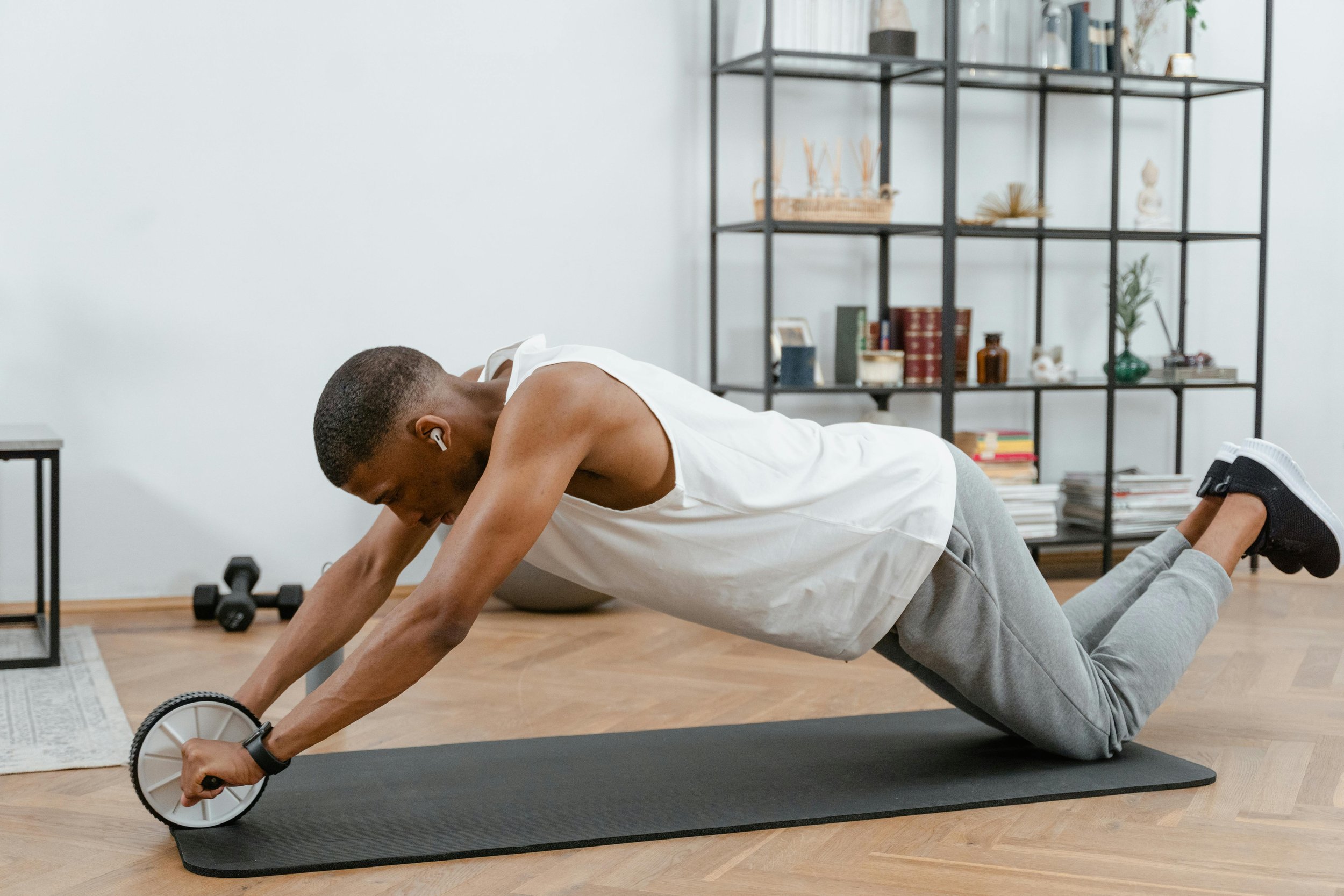
2. Strengthen Your Hips and Glutes
This is the KEY to long-term knee relief.
Top exercises:
Glute bridges
Side-lying leg lifts
Banded lateral walks
Step-ups
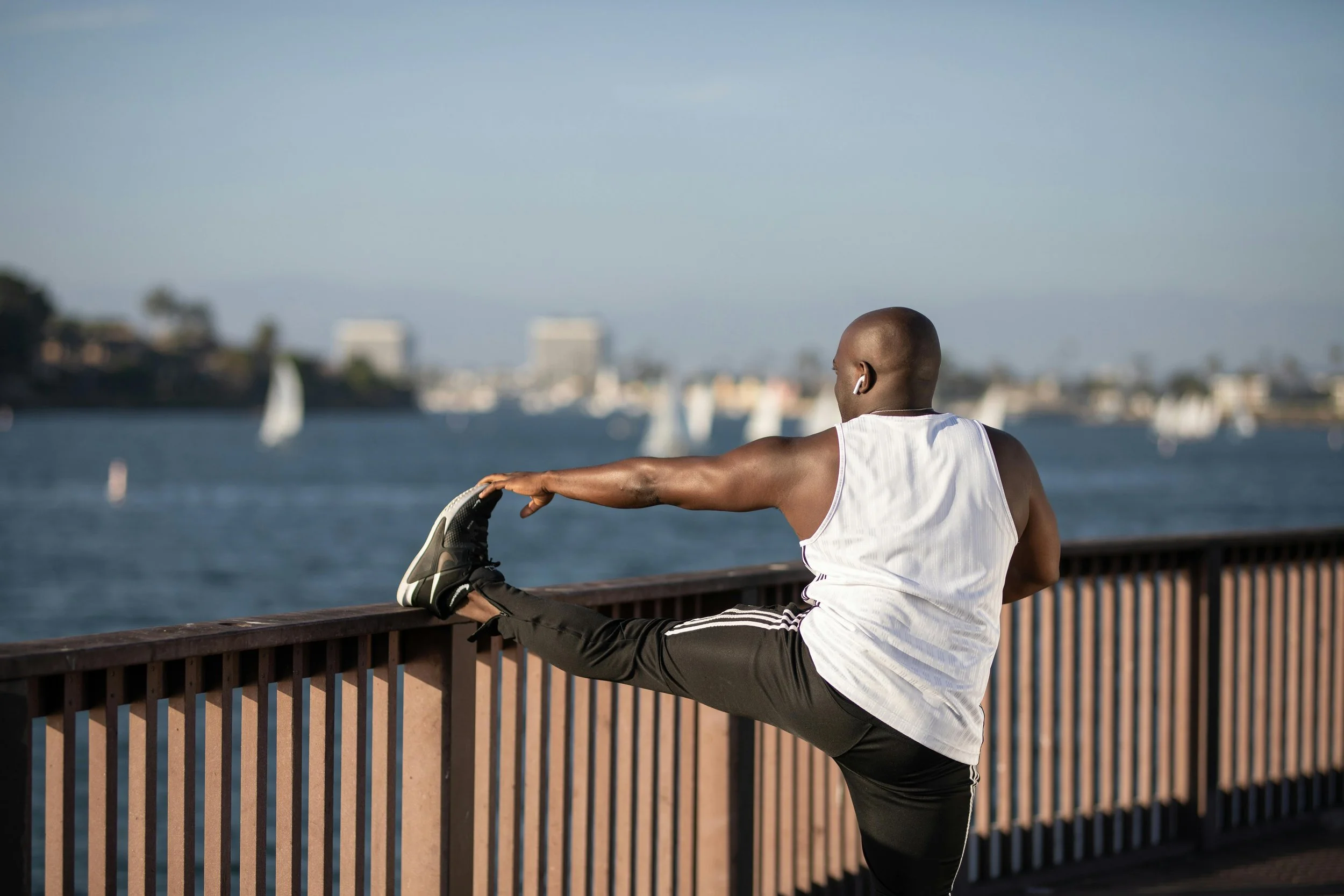
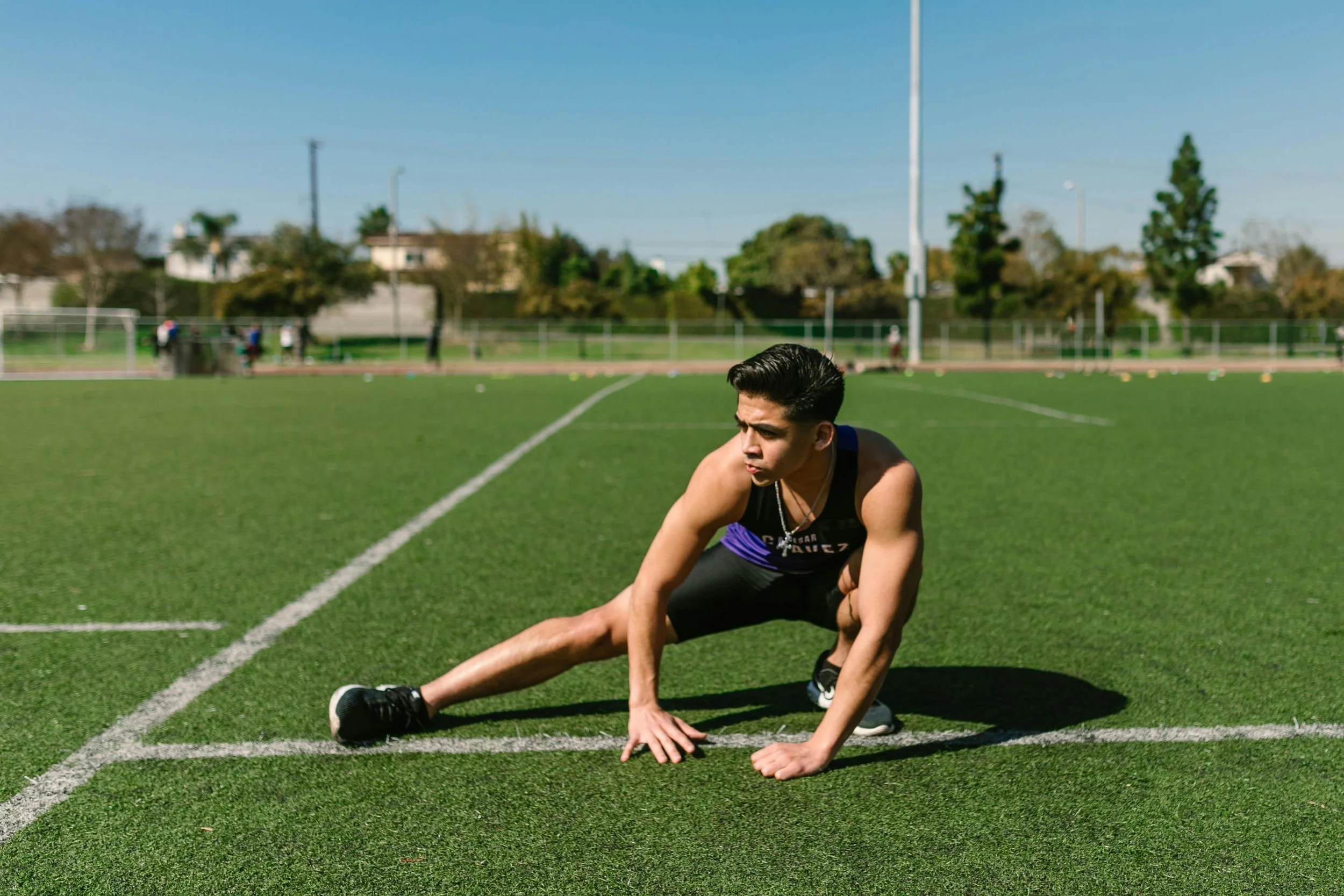
3. Stretch Your Hip Flexors Daily
Undo the sitting position by opening the front of your hips.
4. Strengthen the Muscles Supporting the Knees
Focus on:
Hamstrings
Calves
Inner thighs
5. Improve Your Desk Ergonomics
Your desk setup should allow:
Feet planted firmly
Knees at 90 degrees
Hips slightly above knee level
Laptop/monitor at eye level
A better posture = less pressure on your knees.
6. Add Short Mobility Breaks
Even 2–3 minutes every hour makes a difference.
Rolling your ankles, straightening your legs, or doing mini squats helps keep the joints lubricated.
Try This: Simple Knee-Friendly Routine You Can Do Anywhere
Watch this video as I demonstrate a quick routine you can do to reduce tightness and improve knee mobility.
If your knee pain is affecting your work, exercise, or daily life, you don’t have to wait for it to get worse.
Schedule your session through this link:
Bonus: Mike’s Digital Nomad Lifestyle Story
Knee pain isn’t only a “fitness issue.” It’s a lifestyle issue — especially for digital nomads and remote workers.
Mike recently shared his journey on the Digital Nomad World Podcast, where he talked about posture, ergonomic challenges, and how Pain Free Me Studio was born to help people move and live pain-free.
Check out the interview here:
👉 Spotify: https://podcasters.spotify.com/pod/show/yair82
👉 YouTube: https://www.youtube.com/watch?v=r7pyr6vru04
His story is a powerful reminder that your environment and habits shape your body — and you can take back control.