Why Longevity Starts With Your Posture
When people talk about longevity, the conversation usually jumps straight to supplements, biohacks, or extreme fitness routines. But one of the most overlooked drivers of long-term health and pain-free aging is something far more basic—and far more powerful:
Your posture.
Posture isn’t just about standing up straight or looking confident. It directly affects how your joints move, how your muscles fire, how you breathe, how you sleep, and how much chronic stress your body carries over time. Poor posture doesn’t just cause discomfort today—it quietly compounds wear and tear on your body for years.
If your goal is not just to live longer, but to stay mobile, independent, and pain-free as you age, posture is where longevity truly begins.

What Longevity Really Means (And Why Posture Matters)
Longevity isn’t only about lifespan—it’s about healthspan. Healthspan refers to how many years of your life you can live without chronic pain, stiffness, fatigue, or movement limitations.
Posture plays a critical role in healthspan because it determines:
How evenly your joints absorb load
How efficiently your muscles support your spine
How well your nervous system regulates stress
How freely you can move without pain
When posture is compromised, your body compensates. And compensation, over time, leads to chronic pain patterns—especially in the neck, shoulders, lower back, hips, and knees.
This is why many people experience issues like morning lower back pain, even if they exercise regularly or consider themselves “healthy.”
👉 The Hidden Reason Your Lower Back Hurts in the Morning
How Poor Posture Accelerates Aging in the Body
Poor posture doesn’t usually cause pain overnight. It works quietly, gradually, and consistently.
Here’s what happens over time:
1. Increased Joint Compression
Slouched sitting, forward head posture, and collapsed standing positions increase pressure on spinal discs and joints. Over years, this contributes to stiffness, degeneration, and limited mobility.
2. Muscle Imbalances and Weakness
When certain muscles are constantly overstretched or overworked, others become inactive. This imbalance reduces joint stability and increases injury risk—especially when you try to exercise or stay active later in life.
3. Reduced Breathing Efficiency
Collapsed posture limits rib cage expansion, affecting oxygen intake. This impacts energy levels, recovery, and even sleep quality.
4. Nervous System Stress
Poor posture places constant low-level stress on the nervous system. This can worsen fatigue, disrupt sleep, and contribute to chronic tension and pain.
If you’ve ever noticed that back pain ruins your sleep and energy, posture is often a hidden contributor.
👉 Why Back Pain Ruins Sleep — And What That Does to Your Mood and Energy
Desk Work, Sedentary Habits, and Longevity
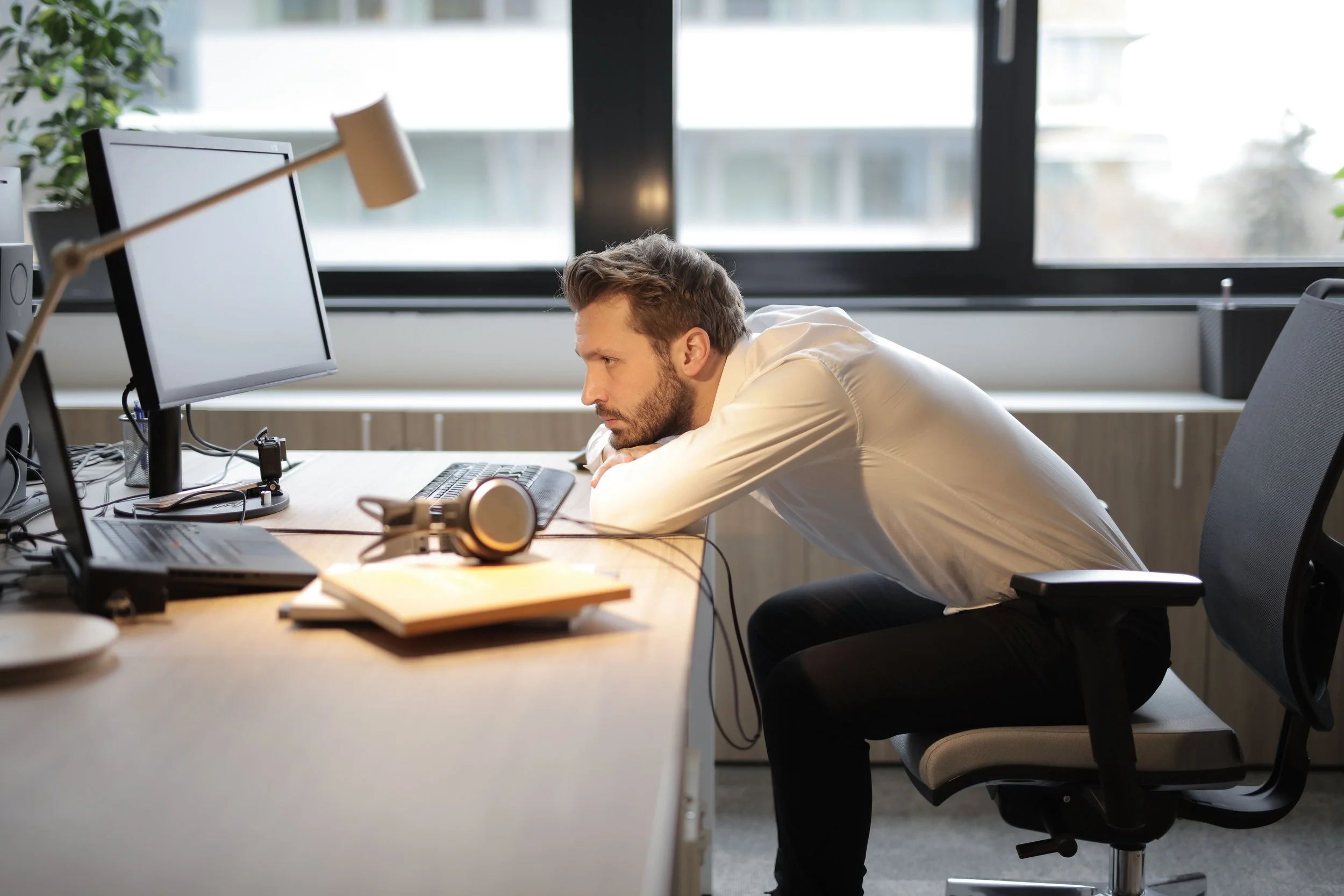
Modern lifestyles are not posture-friendly. Long hours of sitting, laptop use, phone scrolling, and reduced daily movement create postural patterns that quietly undermine long-term health.
Sedentary desk habits often lead to:
Forward head posture
Rounded shoulders
Weak glutes and core muscles
Reduced hip mobility
Over time, these patterns make pain feel “normal,” even in people in their 30s and 40s.
This is why posture correction isn’t about forcing yourself upright—it’s about restoring movement options and reducing unnecessary strain.
👉 New Year, New Desk Habits: How to Fix Posture Before Pain Becomes Chronic
Posture, Pain, and the Longevity Loop
Here’s where posture becomes a longevity issue—not just a comfort issue.
Pain changes behavior.
When people experience ongoing pain:
They move less
They avoid exercise
They sleep worse
They lose confidence in their body
This creates a downward spiral that accelerates aging far more than a missed workout or imperfect diet.
Many people attempt to restart exercise in January or later in life, only to trigger pain because their posture and movement foundations aren’t prepared.
👉 How to Restart Exercise in January Without Triggering Knee, Back, or Neck Pain
Longevity isn’t about pushing harder—it’s about moving better for longer.
Why Posture Comes Before Supplements
Supplements can support recovery, inflammation, sleep, and energy—but they cannot override poor biomechanics.
If posture-related stress is constantly loading your joints and nervous system:
Inflammation keeps returning
Recovery feels slow
Energy fluctuates
Pain becomes persistent
This is why posture should be the base layer of any longevity strategy. Once movement quality improves, everything else—exercise, nutrition, sleep, and supplementation—becomes more effective.
If you spend long hours sitting, this connection becomes even more important.
👉 Sedentary Lifestyle & Desk Work: Hidden Causes of Knee Pain Even in Young Adults
Small Posture Shifts That Support Long-Term Health
Longevity-focused posture work doesn’t require extreme effort. The goal is consistency, not perfection.
Helpful starting points include:
Frequent posture resets during the day
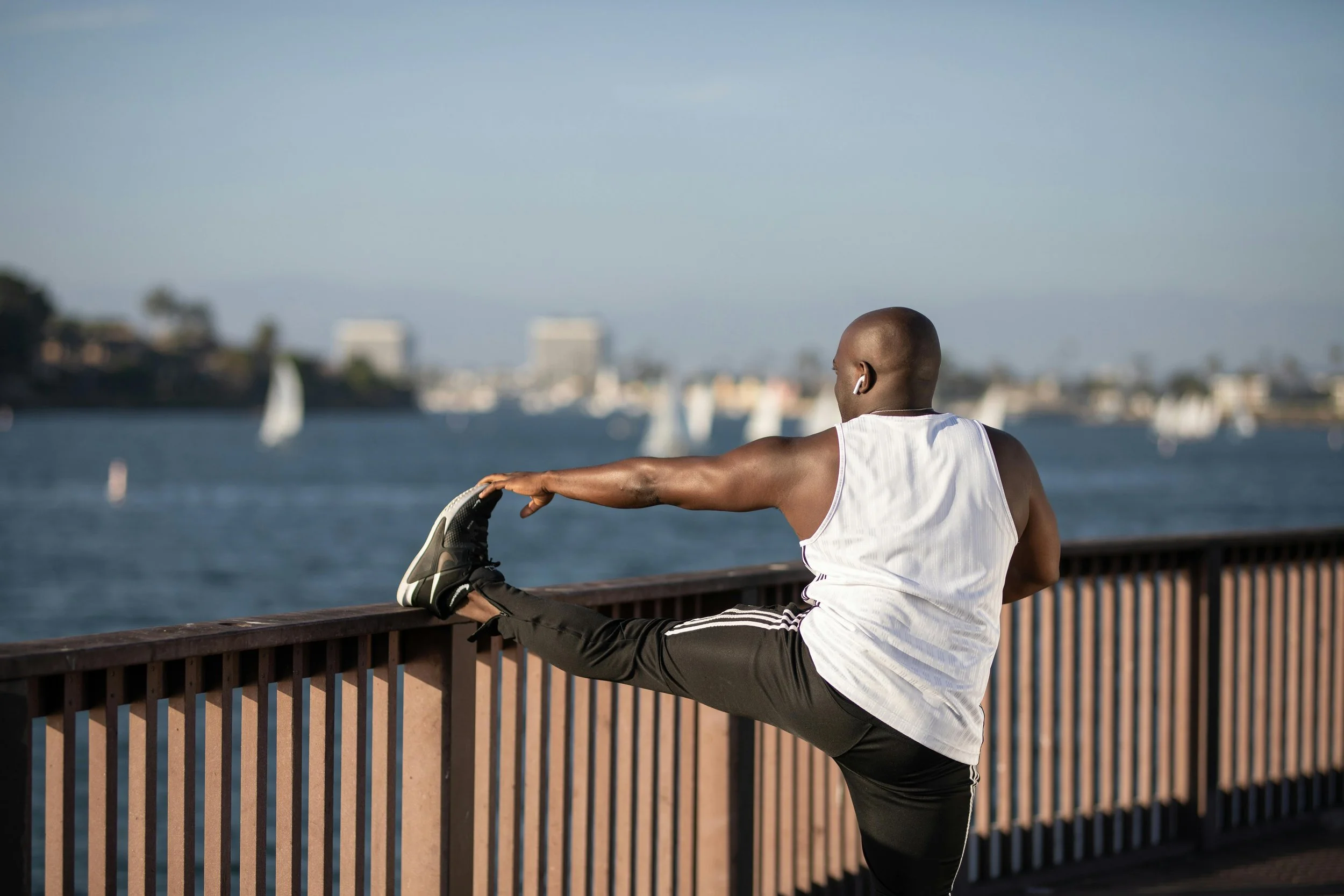
Gentle mobility for the spine, hips, and shoulders
Strengthening muscles that support upright movement
Reducing prolonged static positions
The key is restoring ease of movement, not forcing alignment.
Try This: Simple Posture-Based Movements for Longevity
If you want to start improving posture without overthinking it, movement-based exercises are one of the safest and most effective entry points.