How to Restart Exercise in January Without Triggering Knee, Back, or Neck Pain
January is the most popular time of year to restart exercise. Gyms fill up, routines get reset, and motivation runs high. But for many adults, especially those with busy schedules or desk-based jobs, getting back into exercise can quickly lead to knee pain, back stiffness, or neck tension.
If you’ve ever felt excited to move again in January—only to end up sore, injured, or frustrated—you’re not alone. The problem isn’t exercise itself. It’s how people restart it.
The key to staying consistent isn’t pushing harder. It’s moving smarter.
Here’s how to restart exercise in January without triggering pain, so your momentum lasts beyond the first few weeks of the year.
Why January Exercise Often Leads to Pain
Most people don’t start January injured—they become injured because they return to movement without addressing what their body has been doing for months.
Common January pain triggers include:
Prolonged sitting during the holidays
Reduced daily movement
Tight hips and calves
Weak or inactive glutes and core
Poor posture and ergonomics
These factors place extra stress on joints, particularly the knees, lower back, neck, and shoulders.
Learn what the common posture mistakes: 5 Common Posture Mistakes and How to Fix Them: An Evidence-Based Approach
Jumping straight into high-impact workouts or intense training only amplifies these issues.
Step 1: Reset Movement Before You Add Intensity
Before increasing workouts, your body needs to relearn basic movement patterns.
Instead of asking, “How hard should I train?”
Ask, “How well does my body move right now?”
Focus on:
Joint mobility
Balance and control
Pain-free ranges of motion
Simple movements like squats, lunges, hinges, and reaching should feel smooth—not stiff or painful.
Here’s how to restart this New Year: How to Start the New Year Pain-Free: A Realistic Wellness Reset for Busy Adults
When movement quality improves, intensity becomes safer.
Step 2: Protect Your Knees by Fixing the Hips & Ankles
Knee pain is one of the most common reasons people stop exercising in January—but the knee is rarely the true source of the problem.
In many cases, knee discomfort comes from:
Tight hips
Limited ankle mobility
Weak glutes
Poor alignment during movement
If the hips and ankles don’t move well, the knees absorb unnecessary stress.
Helpful strategies:
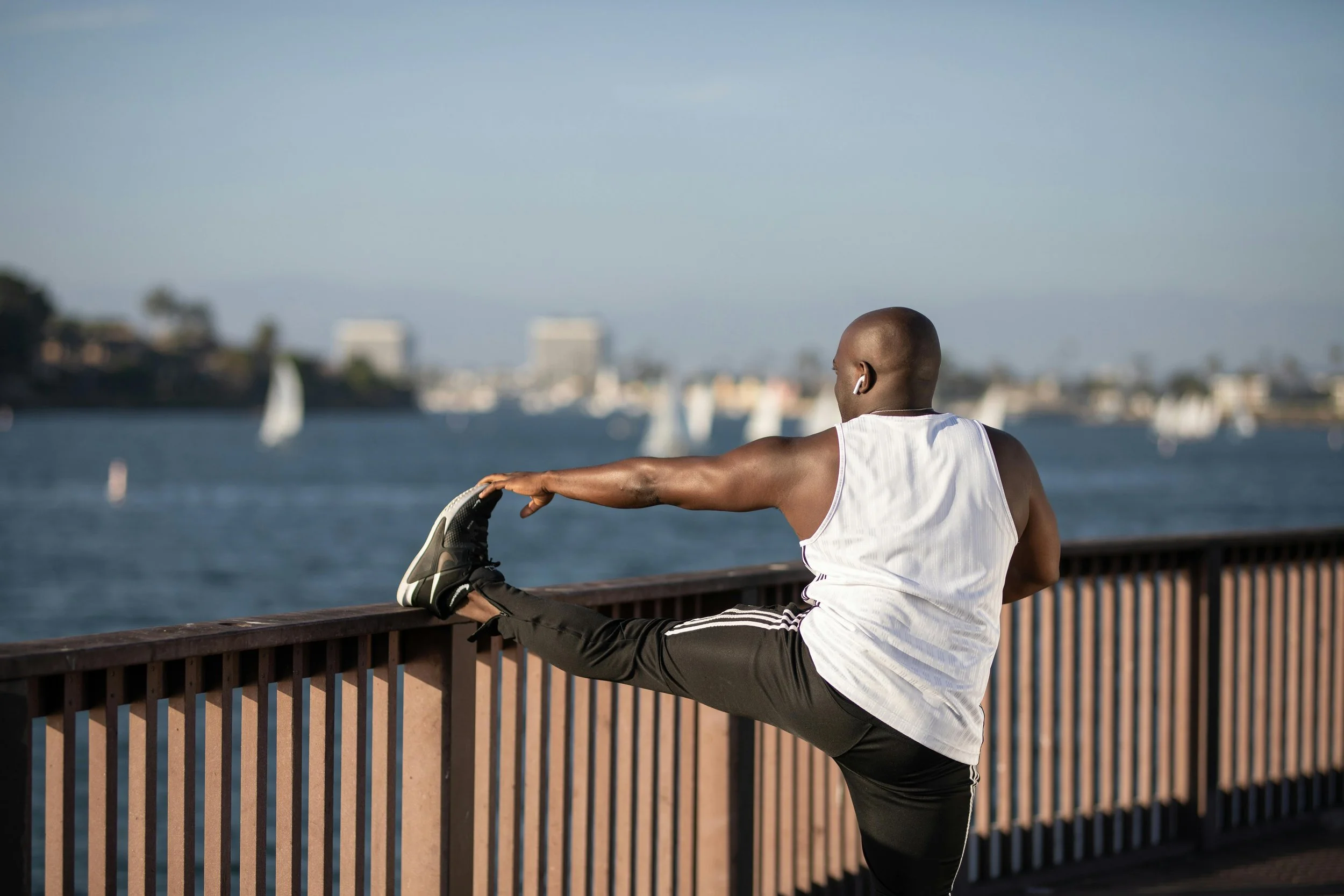
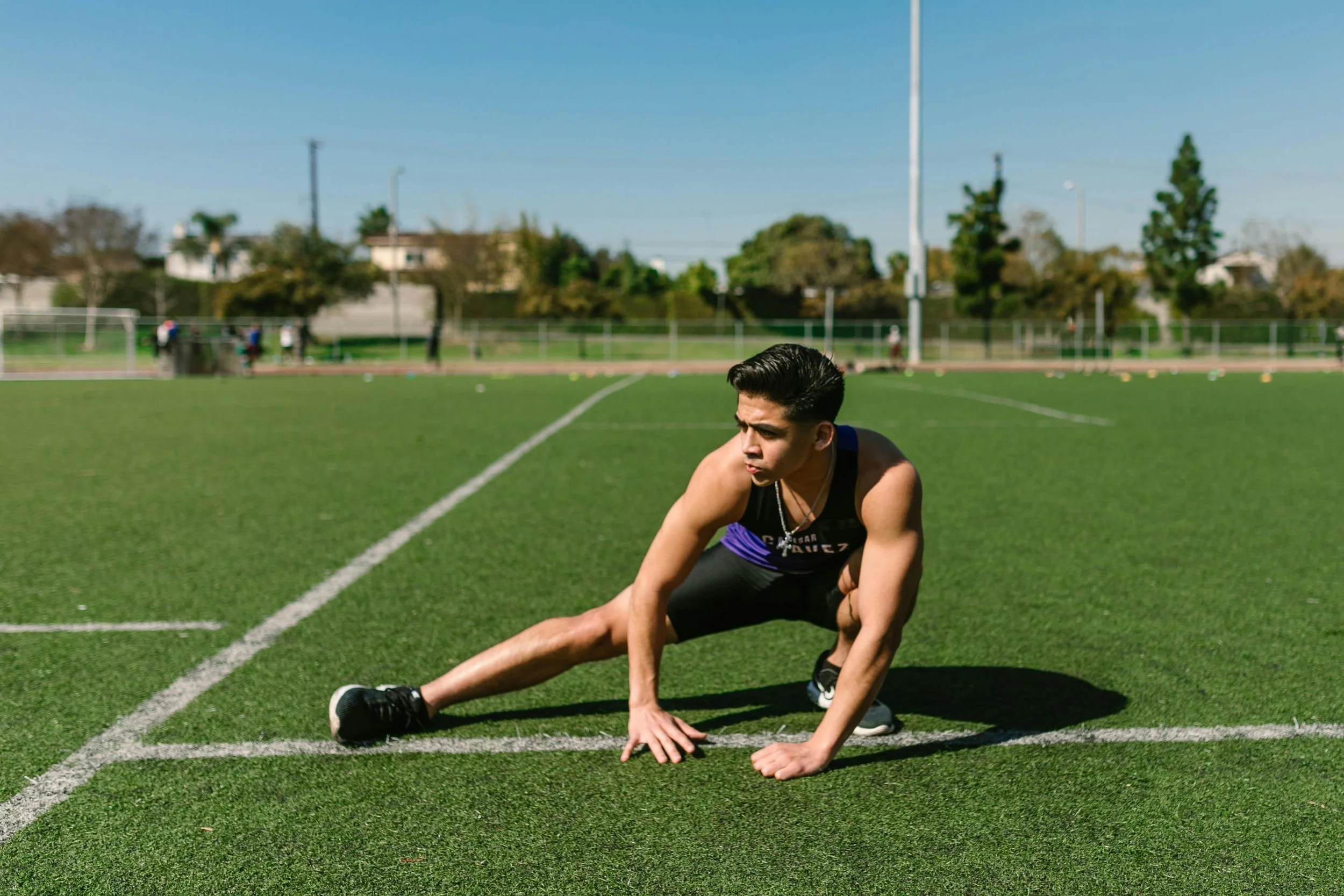
Stretch hips and calves regularly
Strengthen glutes and hamstrings
Slow down exercises to improve control
Understanding common causes of knee pain can help prevent long-term issues: Why Your Knees Hurt After Sitting Too Long (and What You Can Do About It)
Your knees thrive when the rest of your lower body does its job.
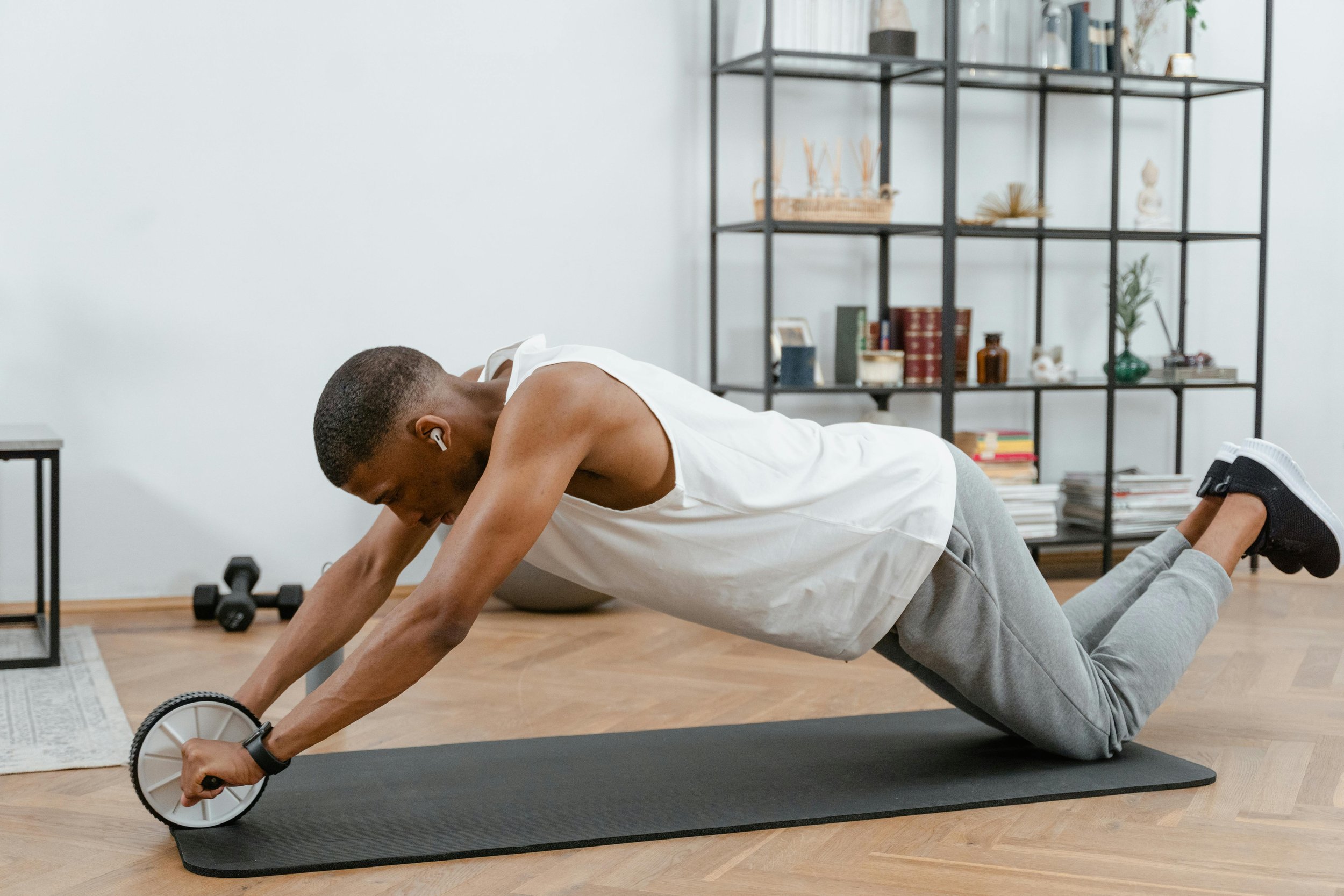
Step 3: Reduce Back Pain by Training Your Core the Right Way
Back pain often shows up when people return to exercise because their core hasn’t been doing much during months of sitting.
But core training isn’t just crunches.
A supportive core:
Stabilizes the spine
Transfers force efficiently
Protects the lower back during movement
Focus on exercises that build stability, not strain—especially early in January.
Discover effective ways to overcome back pain: Conquering Work-From-Home Back Pain: A Guide for Active Desk Workers
When your core supports you properly, your back doesn’t have to compensate.
Step 4: Address Neck & Shoulder Tension from Desk Life
Many people don’t connect neck pain with exercise—but tight shoulders and forward head posture can make even basic workouts uncomfortable.
Neck and shoulder tension often come from:
Screen time
Poor posture
Shallow breathing
Stress
Before training upper body:
Mobilize the upper back
Gently stretch the chest and neck
Focus on posture awareness
Learn how desk posture affects neck and shoulder pain: The Crucial Connection: Ergonomics and Back Health
Reducing tension improves both comfort and performance.
Step 5: Support Recovery with Smart Supplement Use
Restarting exercise creates stress on the body—even when done correctly. Supporting recovery helps prevent soreness from turning into pain.
Optional Supplement Support
If you want to prevent joint pain and inflammation as you restart exercise, check this supplement:
👉 Supplement for Joint & Inflammation Support
If you want to support energy levels and recovery while adjusting to new workouts, check this supplement:
👉 Supplement for Energy & Recovery Support
Supplements work best when paired with smart movement and adequate rest—not as a replacement for them.
Step 6: Progress Gradually — Consistency Beats Intensity
One of the biggest January mistakes is doing too much, too soon.
Instead of:
Daily intense workouts
Drastic increases in volume
Aim for:
2–4 workouts per week
Gradual progression
Rest days for recovery
Pain is feedback—not something to push through.
Want a Safer, Smarter Way to Restart Exercise? Try This
Final Thoughts: January Is a Reset — Not a Race
Restarting exercise in January doesn’t have to mean knee pain, back soreness, or neck tension.
When you:
Restore movement first
Address posture and mobility
Progress gradually
Support recovery
…you build a foundation that lasts far beyond January.
A pain-free year starts with how you move today.