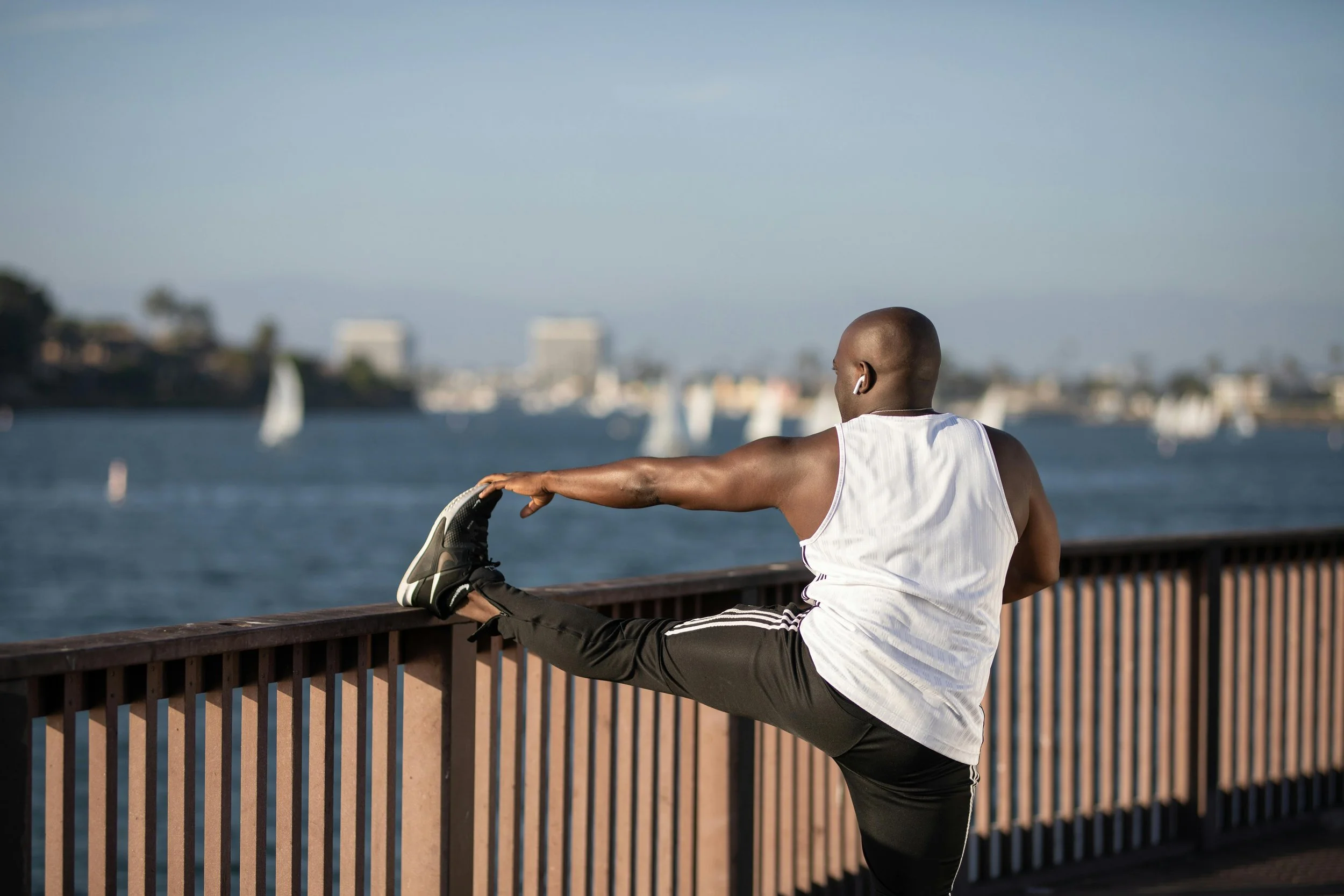
How to Maintain Mobility as You Age (Without Intense Workouts)
Aging is often associated with stiffness, tightness, and a gradual loss of movement.
But here’s the truth most people miss:
It’s not age that takes away your mobility—it’s how your body adapts (or fails to adapt) over time.
If you’ve been feeling tighter, slower, or more restricted in your movements, it doesn’t mean your body is “breaking down.” It simply means your body hasn’t been given the right kind of input to stay adaptable.
The good news?
You don’t need intense workouts or hours in the gym to fix it.
You just need the right approach.

What Happens to Your Mobility as You Age?
Mobility isn’t just about flexibility. It’s your body’s ability to move with control through a full range of motion.
As you age, three key things tend to happen:
Your joints lose variability from repetitive movement patterns
Your muscles become less responsive due to lack of stimulus
Your nervous system becomes more protective, limiting movement
This is what creates that feeling of stiffness—even if you’re still active.
That’s why traditional advice like “just stretch more” often doesn’t work.
Mobility isn’t just about length.
It’s about control, strength, and coordination.
👉 If you want a deeper understanding of this, read:
Mobility After 40: Why It Matters More Than Cardio for Longevity
Why Intense Workouts Aren’t the Answer
A lot of people assume that the solution to aging is to train harder.
More weights. More reps. More intensity.
But here’s the problem:
If your body already lacks mobility, adding intensity on top of restriction can actually make things worse.
You’re reinforcing poor movement patterns instead of fixing them.
That’s why many people who work out regularly still deal with:
Tight hips
Shoulder pain
Lower back stiffness
Instead of pushing harder, the goal should be to move better first.
👉 Learn more here: Why Longevity Starts With Your Posture
The Smarter Way to Maintain Mobility
Maintaining mobility isn’t about doing more—it’s about doing the right things consistently.
Here are the key principles:
1. Move Your Joints Daily (Not Just During Workouts)
Your joints need regular input to stay healthy.
Simple, low-intensity movements done daily can:
Improve circulation
Maintain joint health
Prevent stiffness from building up
This can be as simple as controlled rotations, light mobility drills, or slow bodyweight movements.
👉 Start here: The Longevity Routine Nobody Talks About (That Keeps Your Body Feeling Young After 30)
2. Train Control, Not Just Range
Being flexible without control doesn’t improve mobility.
In fact, it can increase your risk of injury.
Instead of forcing deeper stretches, focus on:
Moving slowly through ranges
Building strength in those positions
Improving coordination
This is what helps your body actually own the movement.
3. Keep It Low Intensity (But Consistent)
Mobility responds best to consistency—not intensity.
You don’t need exhausting sessions.
Even 10–15 minutes a day can create real changes over time.
Think of it like brushing your teeth.
Small daily actions that prevent bigger problems later.
4. Focus on Common Problem Areas
As we age, certain areas tend to lose mobility faster:
Hips
Spine
Shoulders
If you prioritize these areas, you’ll maintain better overall movement and reduce the risk of pain.
👉 You might also like: The Hidden Reason Your Lower Back Hurts in the Morning
Watch: A Simple Mobility Routine You Can Start Today
Here’s a simple routine that focuses on improving mobility without intensity:
The Long-Term Goal: Build a Body That Adapts
Mobility isn’t just about feeling good today.
It’s about creating a body that continues to adapt as you age.
Because the reality is:
Your body is always changing.
The question is whether it’s adapting toward strength or toward restriction.
When you prioritize mobility:
You maintain independence
You reduce pain
You move with confidence
And most importantly, you keep doing the things you love for longer.
👉 For more guided routines, explore: How to Restart Exercise in January Without Triggering Knee, Back, or Neck Pain
Final Thoughts
Maintaining mobility as you age doesn’t require extreme effort.
It requires intentional movement, consistency, and the right approach.
You don’t need to train harder.
You need to train smarter.
Because aging isn’t just about adding years to your life—
It’s about keeping your body capable enough to enjoy them.
Coming Soon: A New Way to Think About Aging
If this topic resonates with you, there’s something new coming that goes even deeper.
New book will be released this April 21 called:
“Build a Body That Lasts”
It explores:
Why most people approach aging the wrong way
How to maintain strength, mobility, and independence
The missing piece of longevity that no one talks about
If you want to understand how to future-proof your body, this will be a great place to start.