Why Your Body Feels Older Than Your Age: The Hidden Secret to Longevity
Have you ever looked at your age on paper and thought:
Why does my body feel so much older than that?
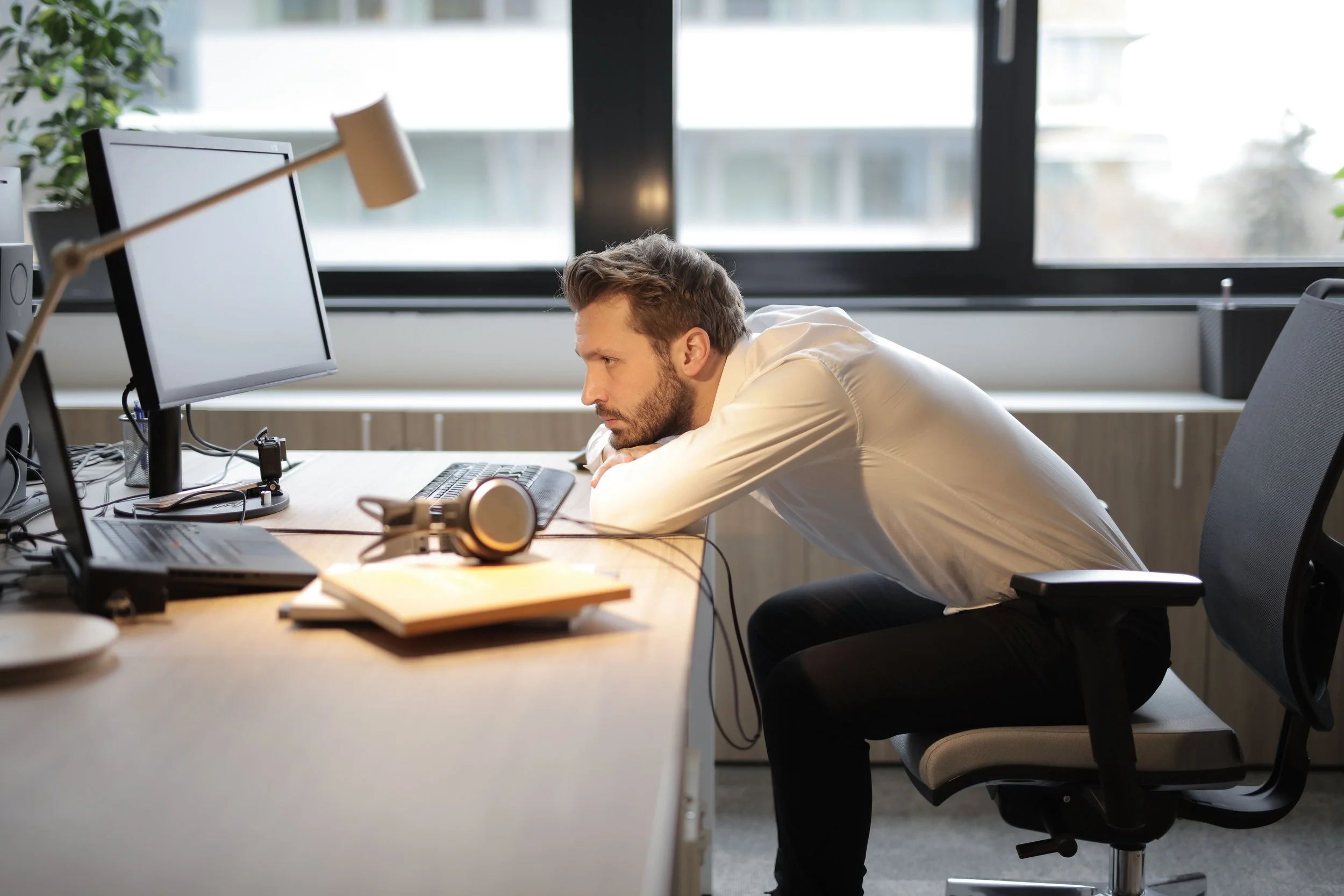
Maybe you wake up stiff in the morning.
Maybe your back feels tight after sitting.
Maybe everyday movements feel harder than they used to.
Many people assume this is simply a normal part of getting older.
But often, it’s not your age that’s the problem.
It’s the condition of your structure—how your body has adapted over time through movement, posture, stress, and lifestyle habits.
This is the hidden secret to longevity that most people overlook:
Your body can age faster—or slower—than your calendar age, depending on how well it functions.
Why Your Body Can Feel Older Than Your Actual Age
Longevity is usually discussed in terms of lifespan, nutrition, or disease prevention.
But there’s another side of longevity that matters just as much:
How your body feels while you’re living those years.
You may be 40 years old chronologically, but if your joints are stiff, your posture is collapsing, and movement feels restricted, your body may function like it’s much older.
This often happens because of:
Too much sitting
Repetitive movement patterns
Lack of mobility training
Stress and poor recovery
Weakness in key stabilizing muscles
Loss of movement variability over time
The result?
Your body becomes less adaptable, less resilient, and more protective.
That “older” feeling is often a signal that your system needs better input.
👉 Related reading: Mobility After 40: Why It Matters More Than Cardio for Longevity
The Hidden Secret to Longevity: Structural Health
Most people think longevity means simply living longer.
But true longevity means maintaining:
Strength
Freedom of movement
Independence
Confidence in your body
Low pain levels
Daily energy and capability
This comes from protecting your structural health.
Structural health refers to how well your body moves, supports itself, and adapts to life’s demands.
If you ignore this, it’s possible to live longer while feeling physically limited.
If you improve it, you can feel younger for much longer.
👉 Learn more here: The Longevity Routine Nobody Talks About (That Keeps Your Body Feeling Young After 30)
Signs Your Body Is Aging Faster Than It Should
Here are common signs your body may be functioning older than your age:
1. Morning Stiffness Every Day
A little stiffness can be normal. Constant stiffness is often a sign of reduced mobility and recovery.
2. Tight Hips and Shoulders
When joints lose movement options, surrounding muscles compensate.
3. Poor Balance or Coordination
This can reflect declining nervous system efficiency and reduced movement practice.
4. Pain With Normal Activities
If simple tasks trigger discomfort, your body may lack capacity.
5. Low Confidence in Movement
Many people unconsciously stop moving because their body no longer feels trustworthy.
👉 Also read: Why Knee Pain Is Increasing Among 30- to 40-Year-Olds — And How to Prevent It
Why Intense Exercise Isn’t Always the Solution
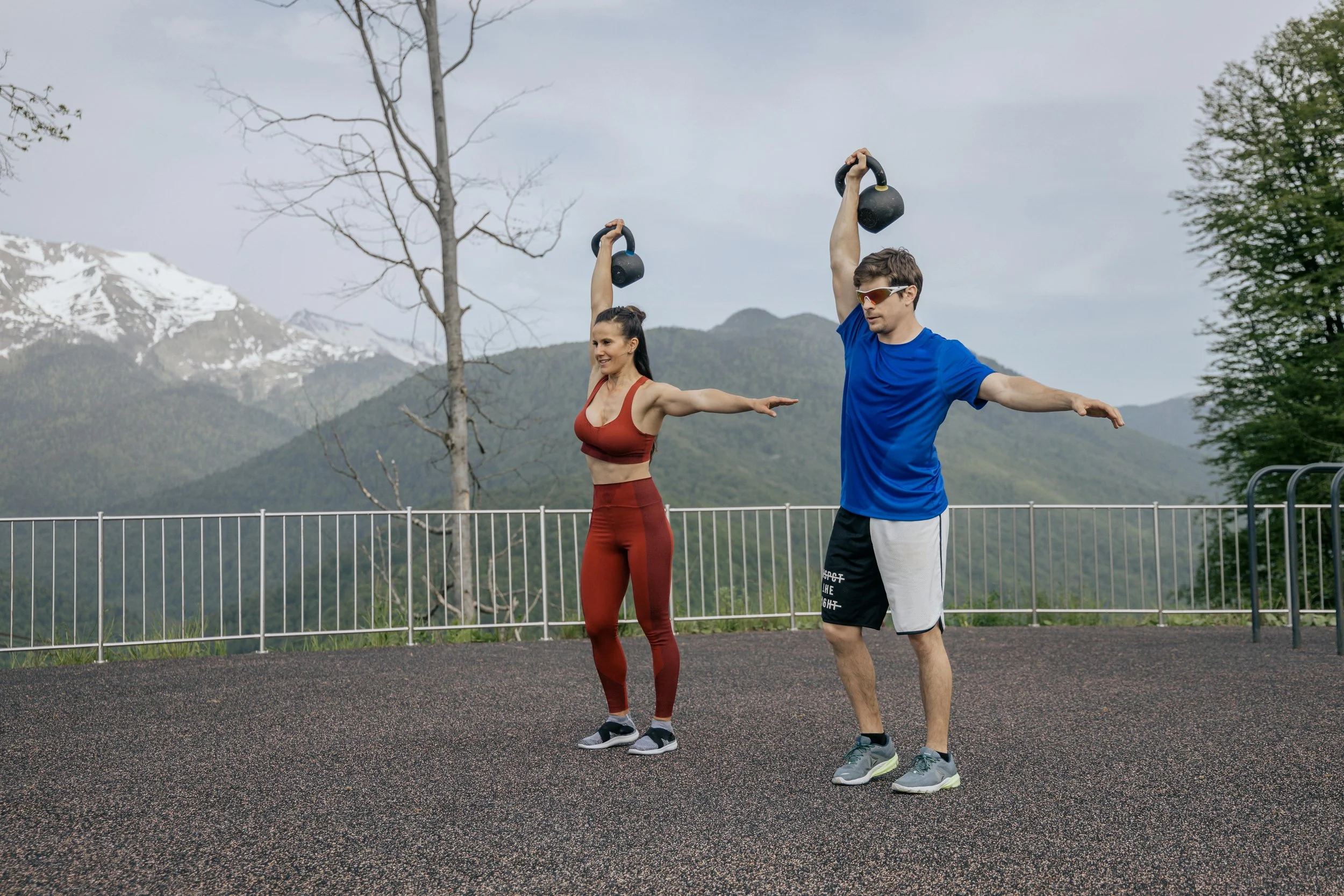
When people feel old physically, they often try to “fix it” with harder workouts.
But intensity without preparation can create more compensation and irritation.
If your hips don’t move well, loading squats harder may not solve the root issue.
If your shoulders are restricted, pushing heavier overhead can reinforce dysfunction.
Longevity is not built by punishing the body.
It’s built by improving how the body moves first.
That means:
Restoring mobility
Building control
Improving alignment
Adding strength progressively
Recovering consistently
👉 Related article: How to Maintain Mobility as You Age (Without Intense Workouts)
What Helps Your Body Feel Younger Again
The body responds remarkably well when given the right stimulus.
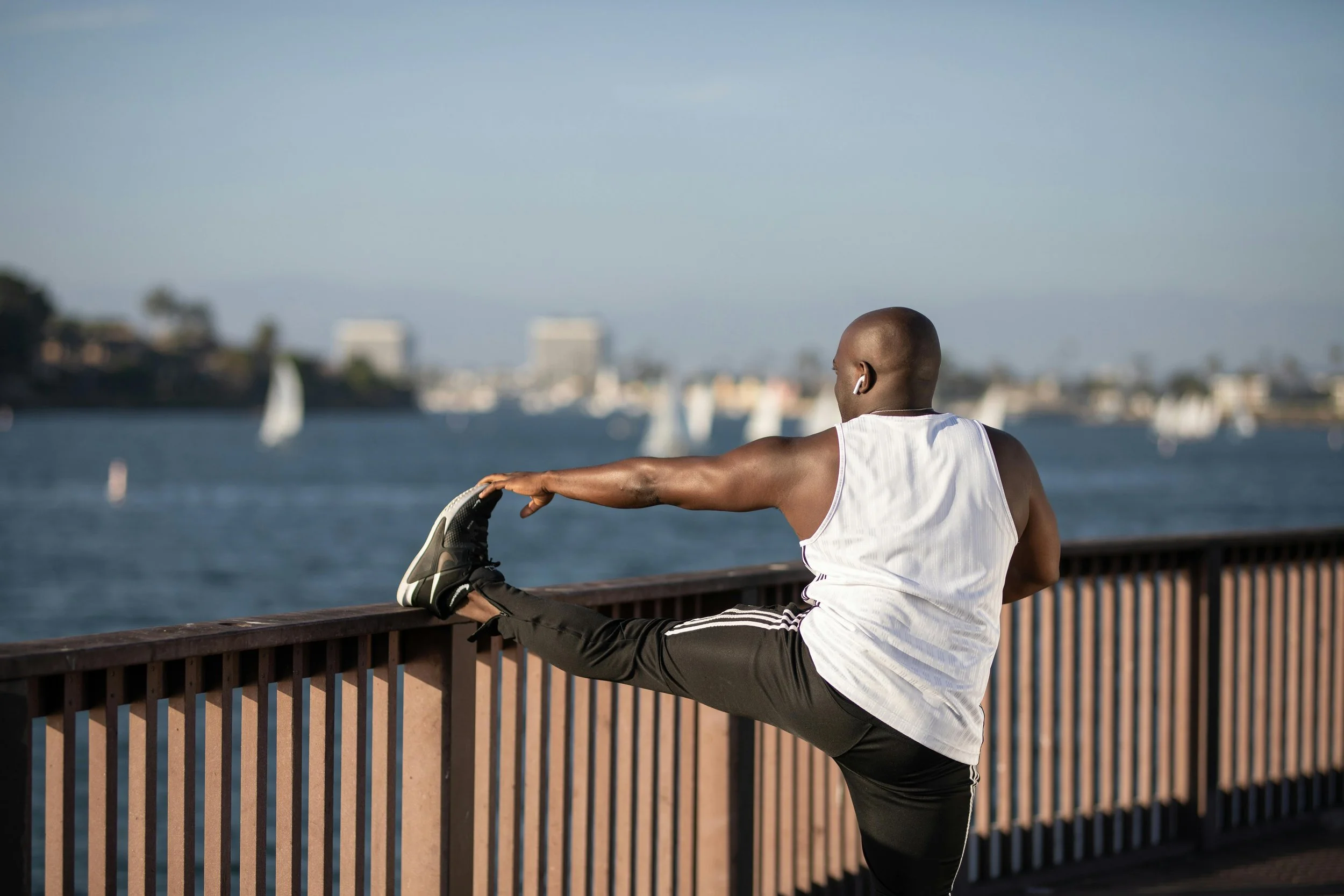
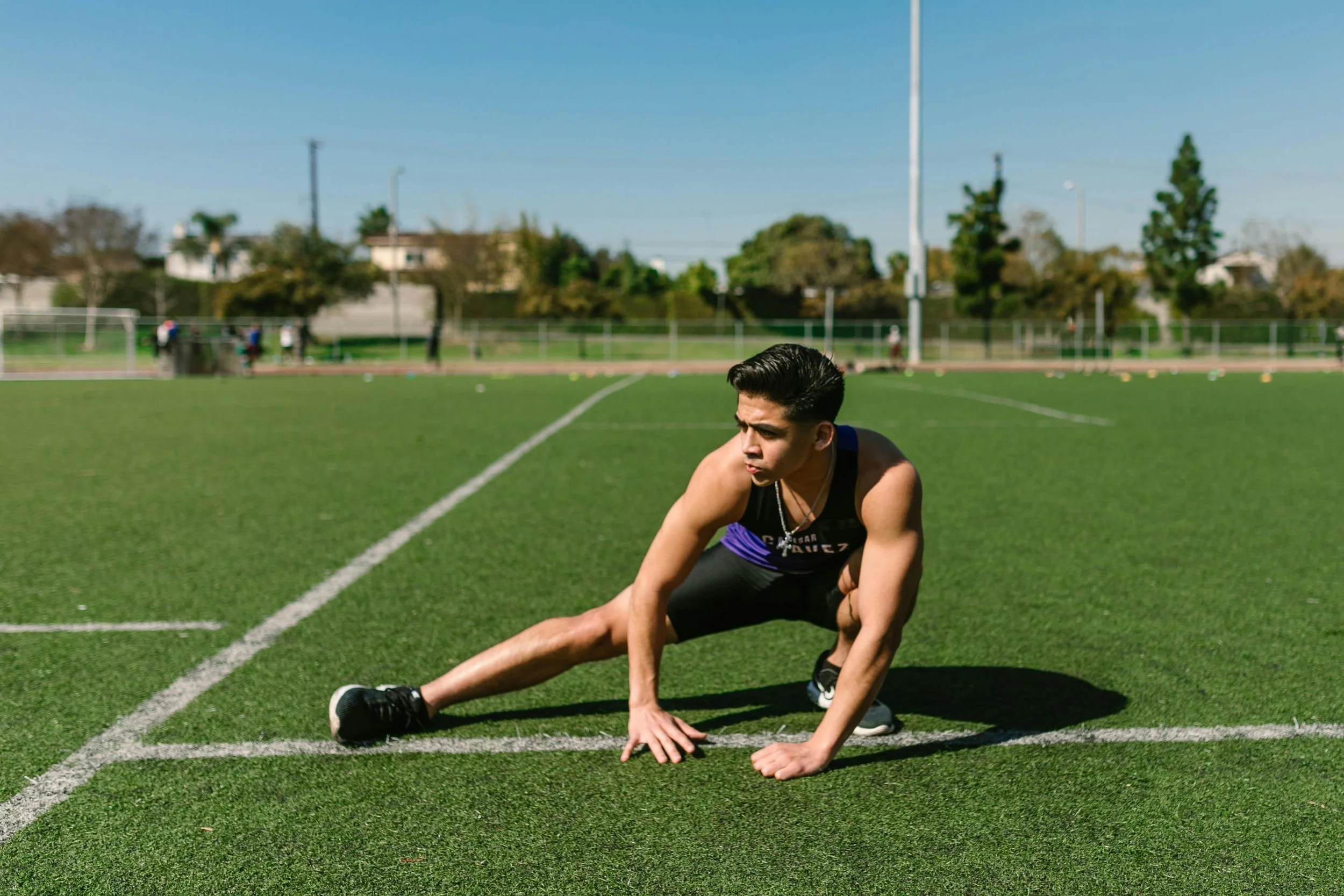
Daily Mobility Work
Gentle movement restores circulation, joint health, and range.
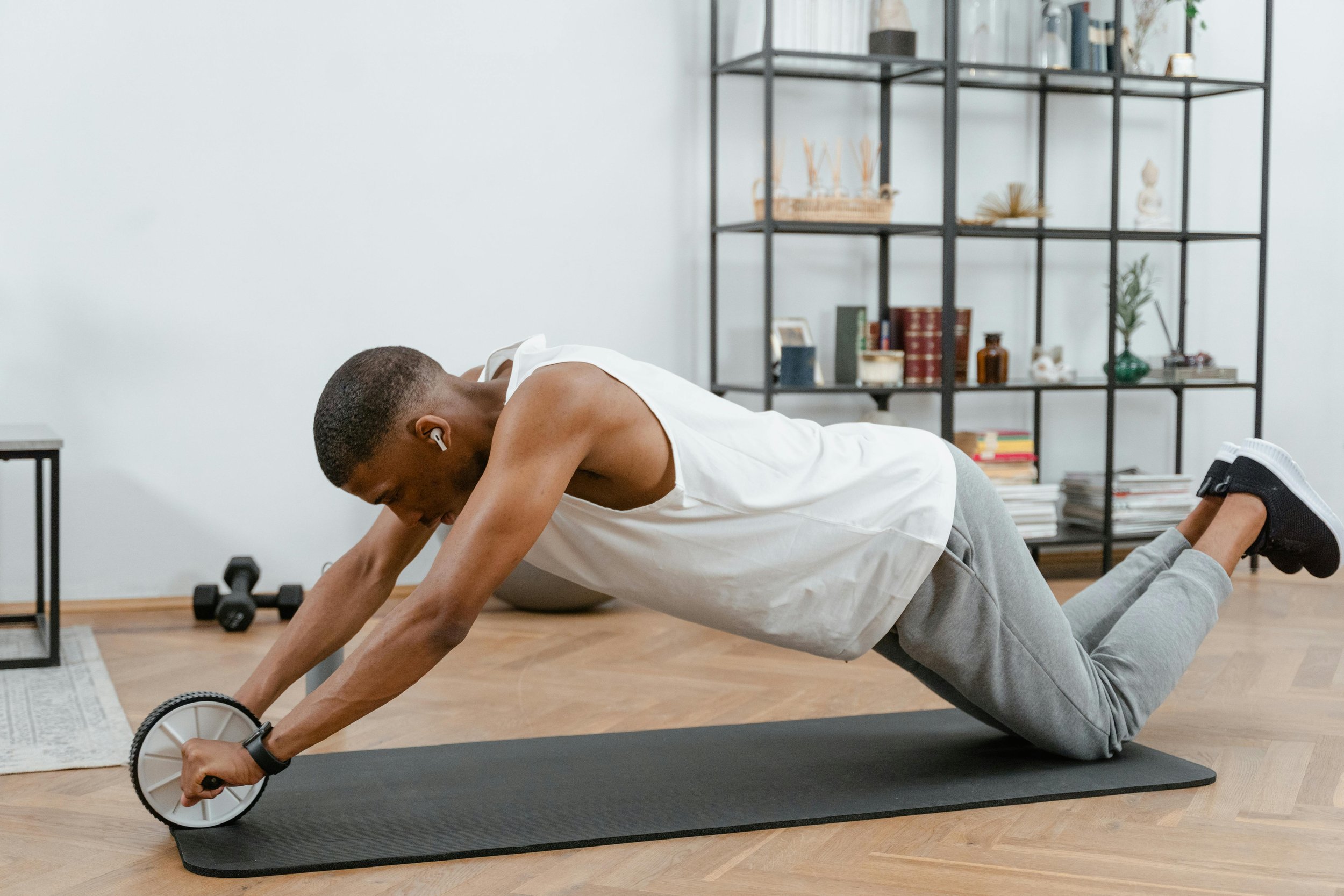
Strength in Useful Positions
Controlled strength helps your body support itself.
Better Breathing Mechanics
Breathing affects posture, rib movement, tension, and core stability.
Walking and Frequent Movement
Small movement snacks throughout the day matter more than one intense session.
Recovery Habits
Sleep, hydration, and stress management directly affect how your body feels.
👉 Explore more: Why Longevity Starts With Your Posture
Watch this Video on Feeling Younger Through Better Movement
If you want a practical starting point, watch this video:
A Smarter Path: G-Mobility Program
If you want guided support, the G-Mobility program was created to help people improve movement quality without needing extreme workouts.
It’s ideal for those who want to:
Move better
Reduce stiffness
Build functional strength
Improve confidence in their body
Support long-term longevity
The goal isn’t exhaustion.
The goal is to create a body that remains capable for years to come.
Want to Go Deeper? Get Your Copy of “Build A Body That Lasts”
If this message resonates with you, my book “Build a Body That Lasts” is available now.
It explores a smarter way to think about aging and longevity—focusing not just on lifespan, but on preserving:
Movement
Strength
Structural health
Independence
Quality of life
It’s a great next step for anyone who wants to age with intention.
Final Thoughts
If your body feels older than your age, don’t assume decline is inevitable.
Often, your body is responding to years of accumulated habits—not simply time.
And that means it can also respond to better habits starting now.
The hidden secret to longevity isn’t just adding years.
It’s keeping your body functional enough to enjoy them.
Move better. Adapt better. Age better.