The Longevity Routine Nobody Talks About (That Keeps Your Body Feeling Young After 30)
When people talk about longevity, they usually talk about:
• Supplements
• Diets
• Cold plunges
• Biohacking
• Cardio routines
But almost nobody talks about the one thing that determines whether your later years feel strong… or fragile.
Your structural health.
Because living longer is one thing.
But living longer in a body that feels stiff, painful, or fragile is something else entirely.
Real longevity isn't just about lifespan.
It's about healthspan — how well your body continues to move, function, and feel as the years pass.
And the biggest factor affecting this isn’t extreme fitness.
It’s your daily movement quality.
Why Most Longevity Advice Misses the Real Problem
Most longevity programs focus on internal health markers:
• Heart health
• Blood markers
• Weight management
• Nutrition
These matter.
But what often gets ignored is how the musculoskeletal system ages.
This is what determines whether you:
• Wake up stiff
• Develop chronic pain
• Lose mobility
• Feel older than your age
This process is called structural aging.
It happens when joints lose movement options, tissues stiffen, and the body adapts to repetitive patterns like sitting and limited rotation.
For many people, the first signs appear as small warnings like morning stiffness.
👉 The Hidden Reason Your Lower Back Hurts in the Morning
These early signals are not random.
They’re your body's way of saying movement variety is decreasing.
The Longevity Routine Nobody Talks About
People expect longevity routines to be complicated.
But the most effective one is surprisingly simple.
It focuses on maintaining three things:
Movement options
Joint health
Postural balance
Instead of pushing intensity, this approach protects the body from slow structural decline.
A simple longevity routine usually includes:
Daily mobility work
Maintains joint movement capacity.
Posture resets
Reduces long-term stress accumulation.
Rotational movement
Maintains spine and hip health.
Stability training
Keeps joints supported.
Recovery movement
Prevents stiffness accumulation.
The goal isn't to train harder.
It's to prevent structural decay.
This is why many people who only focus on cardio eventually develop movement limitations.
👉 Mobility After 40: Why It Matters More Than Cardio for Longevity
Movement quality matters more than most people realize.
The Real Cause of Feeling Older After 30
Most people assume aging causes stiffness.
But often, stiffness causes people to feel older.
The real problem usually comes from loss of:
• Hip rotation
• Thoracic spine mobility
• Shoulder movement
• Core stability
These losses accumulate slowly.
Desk work accelerates this process dramatically.
👉 New Year, New Desk Habits: How to Fix Posture Before Pain Becomes Chronic
Without regular mobility work, the body adapts by becoming efficient at fewer positions.
This is why:
• Athletes who stop training feel stiff quickly
• Office workers develop recurring pain
• Golfers lose rotation power
• Dancers lose range of motion
The body always adapts.
The question is whether you're guiding the adaptation or ignoring it.
The 10-Minute Longevity Movement Routine
A good longevity routine doesn't need an hour.
Consistency beats intensity.
Here is a simple framework often recommended for structural longevity:
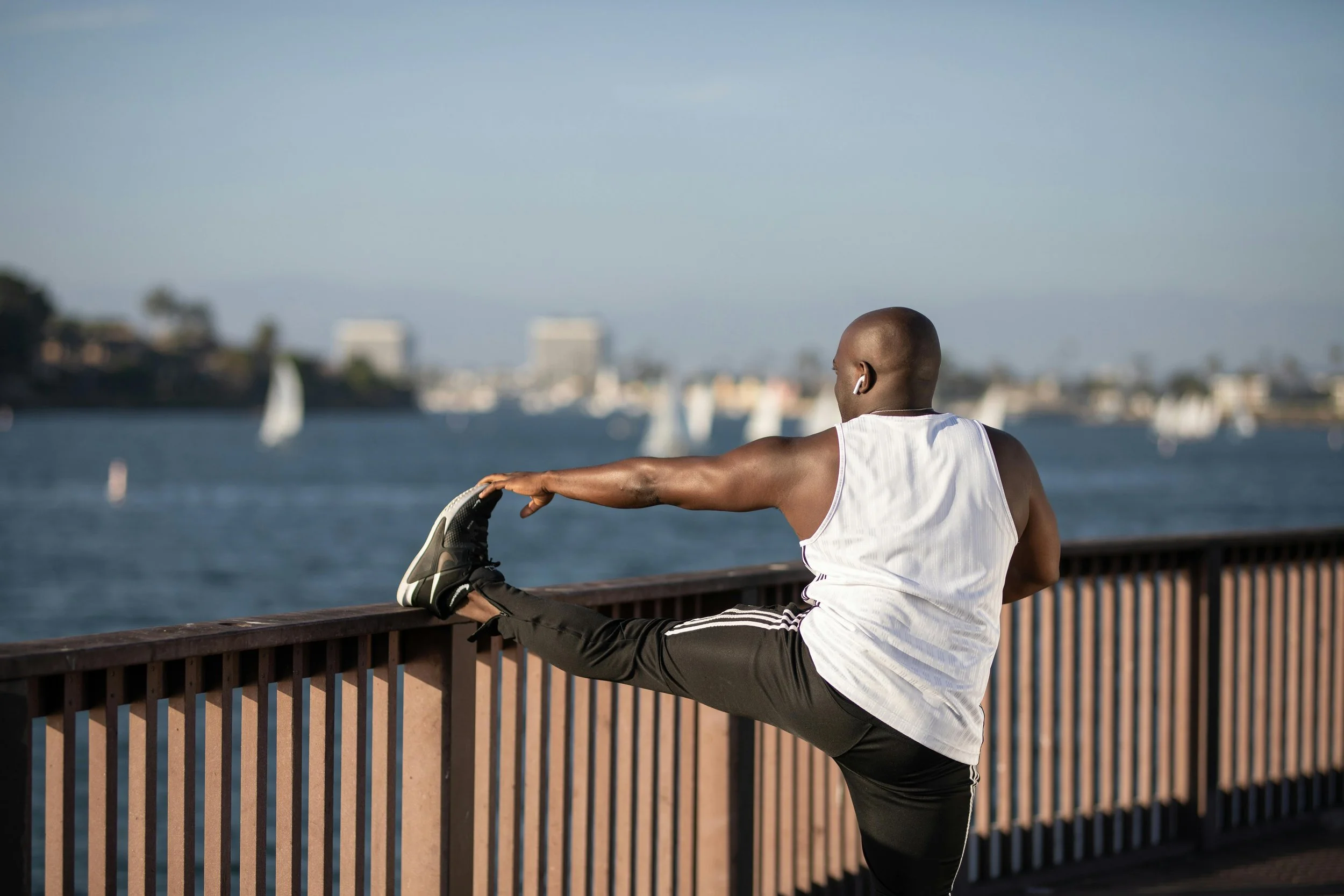
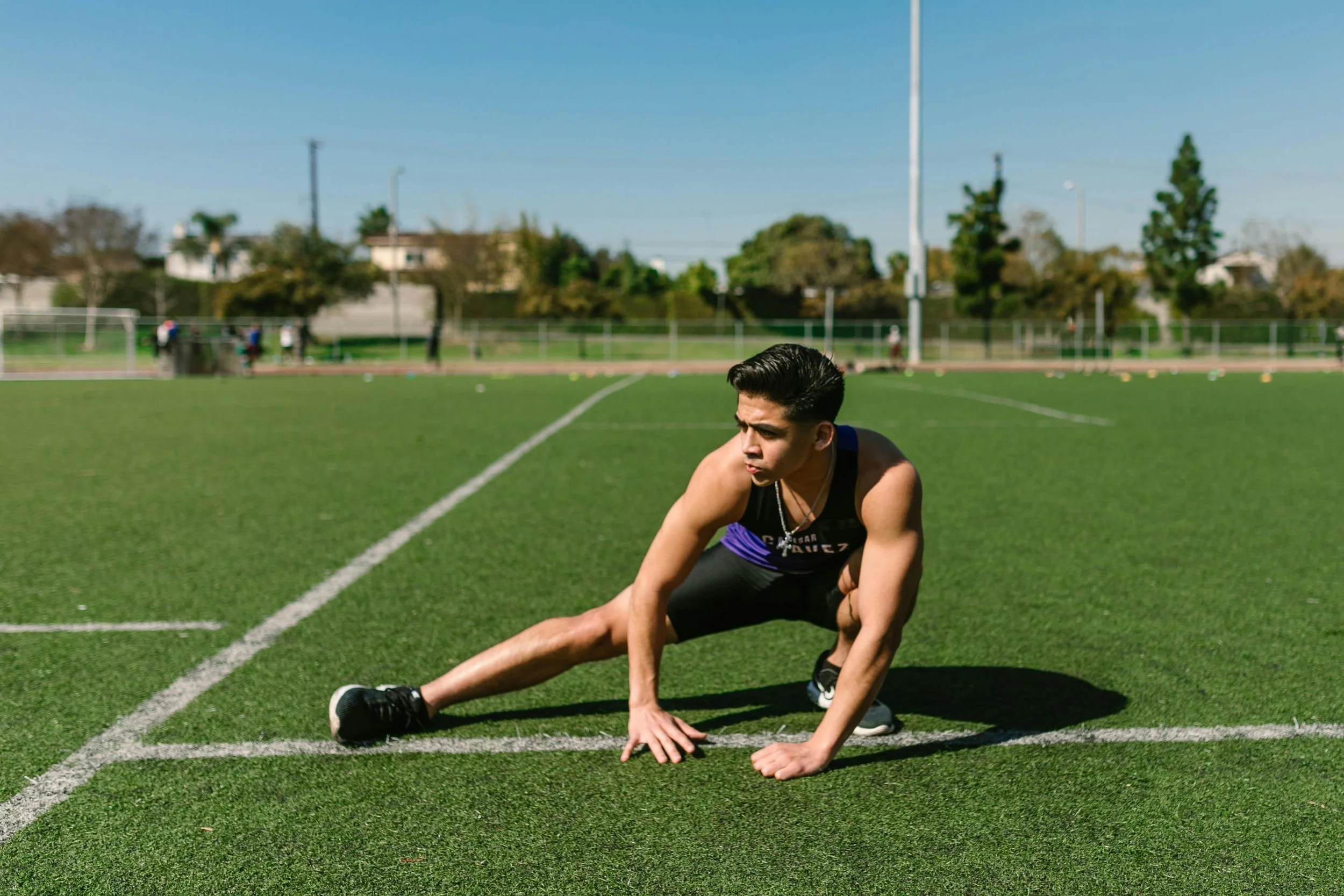
1. Hip mobility work (2–3 minutes)
Restores rotational capacity and protects the lower back.
2. Thoracic rotation (2–3 minutes)
Maintains spinal movement necessary for daily activities and sports.
3. Shoulder mobility (2 minutes)
Protects posture and reduces neck tension.
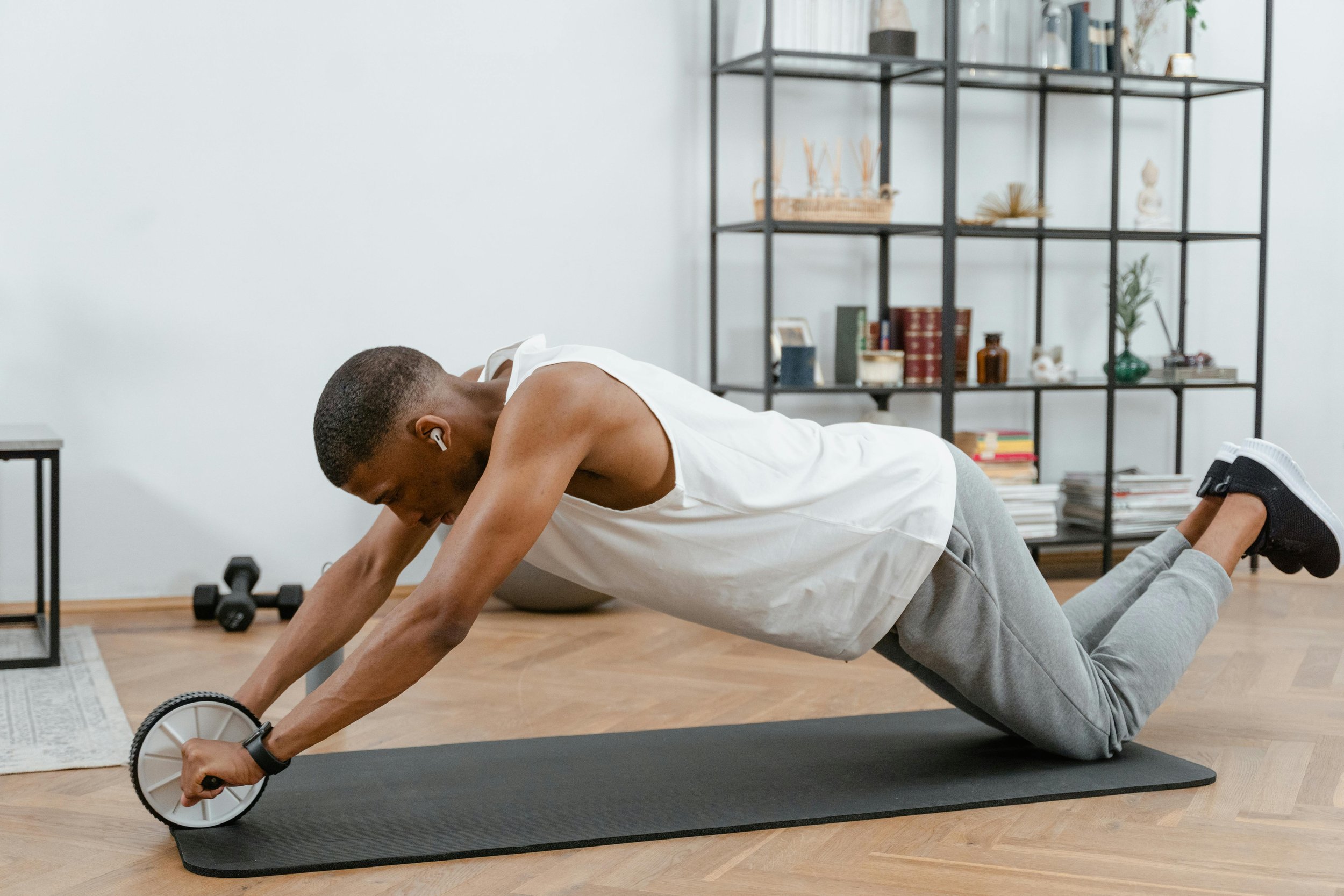
4. Core stability activation (2 minutes)
Maintains spine support.
5. Light movement flow (1–2 minutes)
Resets stiffness from sitting.
These small investments prevent large problems later.
Many people only start fixing mobility after pain appears.
But longevity routines work best before symptoms begin.
👉 A Realistic Wellness Reset for Busy Adults
Preventive movement is always easier than rehabilitation.
Why Random Stretching Doesn't Work
Many people try to stretch more as they age.
But stretching alone often fails because it ignores stability and control.
Longevity movement must include:
• Mobility (range)
• Stability (control)
• Integration (movement patterns)
Without stability, new mobility disappears quickly.
Without mobility, stability becomes compensation.
Both are necessary.
This is why structured movement programs tend to outperform random exercise routines.
The Longevity Habit That Makes the Biggest Difference
The biggest difference between people who age well physically and those who don't is not genetics.
It's movement consistency.
People who maintain structural health usually:
• Move daily
• Maintain mobility
• Address stiffness early
• Avoid long sedentary periods
• Train movement quality
They don't wait until pain forces change.
They build habits that prevent decline.
This approach is what allows some people to stay active into their 50s, 60s, and beyond without major limitations.
Longevity is rarely about dramatic actions.
It is usually the result of small daily decisions.
Your Modern Life is Aging Your Body
If this topic interests you, we will be going deeper into longevity in my upcoming book Build a Body That Lasts, launching April 21.
The book explores how modern lifestyle habits affect how the body ages and what you can do to maintain mobility, alignment, and movement capacity long term.
It’s designed for active adults who want to continue training, playing sports, and moving well without the stiffness many people accept as normal aging.
More details will be shared soon.
A Smarter Approach to Longevity Training
If you want to seriously invest in how your body feels 10–20 years from now, random workouts usually aren't enough.
You need a system that focuses on:
• Joint preservation
• Movement efficiency
• Structural balance
• Rotational health
This is exactly why the G-Mobility program was created.
It focuses specifically on helping active adults and golfers maintain the movement capacity that protects their body long term.
Rather than focusing on intensity, the program emphasizes:
• Hip mobility development
• Spine rotation health
• Movement longevity
• Pain prevention foundations
If your goal is to stay active, pain-free, and capable long term, you can learn more about G-Mobility and see if it fits your routine.
Final Thoughts
The longevity routine nobody talks about isn't extreme.
It isn't trendy.
It isn't complicated.
It is simply this:
Maintain your ability to move well.
Because the people who feel youngest physically later in life are not always the strongest.
They are often the ones who maintained:
• Movement options
• Joint health
• Structural balance
Longevity is not just about adding years.
It’s about protecting the body that has to live those years.
And the best time to start protecting it is long before pain forces you to.