These 10 Daily Habits Could Be Aging You Faster Than You Think
Have you ever looked at someone your age and wondered why they seem to have more energy, move more easily, or simply look healthier?
Or maybe you've asked yourself:
"Why does my body feel older than it should?"
Many people assume it's just part of getting older.
But in many cases, age isn't the real problem.
The way your body feels today is often shaped by the small habits you've repeated for years—how well you sleep, how much you move, how you manage stress, and the choices you make every day without giving them much thought.
The surprising part is that some of the most common habits can quietly affect how your body functions long before you notice obvious signs of decline.
Research shows that lifestyle factors such as physical activity, sleep quality, nutrition, and stress management play a major role in healthy aging. Recent research from Oxford Population Health found that environmental and lifestyle factors have a significantly greater impact on premature mortality risk than genetics alone.
This helps explain why two people can be the same age but feel completely different.
One may feel strong, active, and energized.
The other may struggle with fatigue, stiffness, slower recovery, and other signs of accelerated aging.
The difference often comes down to the habits they practice every day.
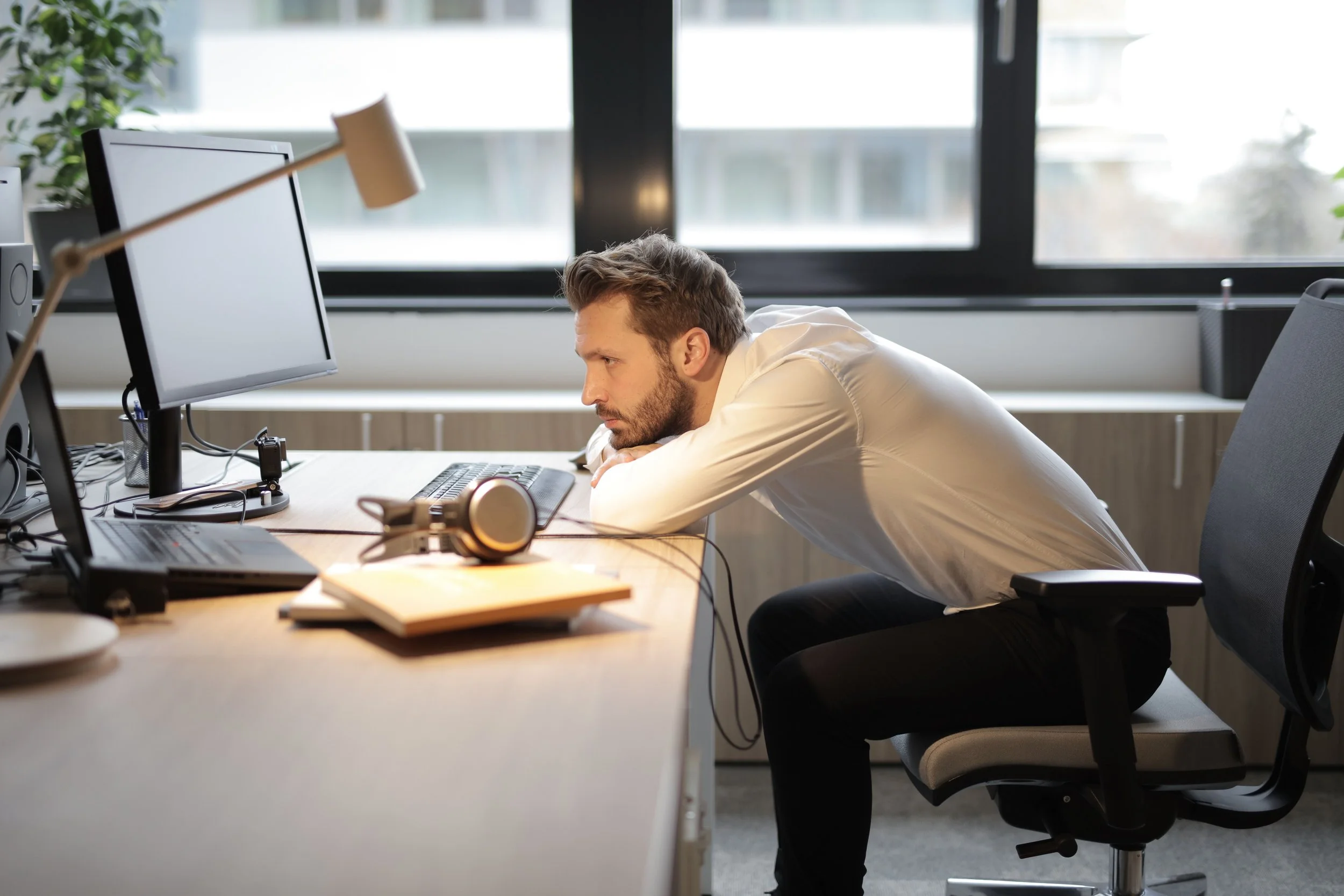
What Are the Daily Habits That Age You Faster?
Quick Answer
Daily habits that age you faster include poor sleep, chronic stress, prolonged sitting, poor nutrition, dehydration, smoking, excessive alcohol consumption, social isolation, poor oral hygiene, and mental inactivity.
These habits increase inflammation, strain recovery systems, and may contribute to faster biological aging.
It's important to understand that aging isn't determined solely by your birth date. Experts often distinguish between chronological age and biological age. While chronological age reflects the number of years you've lived, biological age reflects how well your body is functioning.
The encouraging news is that many unhealthy habits that age you are within your control.
Read this related article: The Longevity Routine Nobody Talks About (That Keeps Your Body Feeling Young After 30)
Why Do Some People Age Faster Than Others?
One of the biggest misconceptions about aging is that genetics determine everything.
While genetics matter, lifestyle habits that affect aging often have a greater influence on long-term health outcomes.
Health professionals consistently observe that individuals who maintain healthy routines tend to preserve mobility, cognitive function, and energy levels longer than those who neglect key health behaviors.
Most premature aging causes share three common pathways:
Chronic inflammation
Oxidative stress
Muscle and functional decline
When these factors work together over time, they can accelerate biological aging and increase the risk of chronic disease.
Read this related article: Why Your Body Feels Older Than Your Age: The Hidden Secret to Longevity
The Aging Acceleration Cycle
Many habits don't operate independently.
Poor sleep can increase stress.
Higher stress can lead to unhealthy eating.
Poor nutrition can reduce energy levels.
Lower energy often leads to inactivity.
This cycle can compound the effects of aging over time.
Can Poor Sleep and Stress Really Age Your Body?
Yes.
Sleep and stress are two of the most overlooked habits that make you age faster.
During sleep, your body repairs tissues, regulates hormones, supports immune function, and clears waste products from the brain.
When sleep becomes consistently poor, recovery suffers.
Chronic stress creates a similar challenge.
Persistent stress can keep cortisol levels elevated, which may affect cardiovascular health, immune function, sleep quality, and recovery capacity.
Many people focus heavily on diet and exercise while overlooking the powerful role of sleep and stress management.
Key Takeaway
Poor sleep and unmanaged stress don't just affect how you feel today—they influence how well your body ages over time.
Read this related article: Why Back Pain Ruins Sleep — And What That Does to Your Mood and Energy
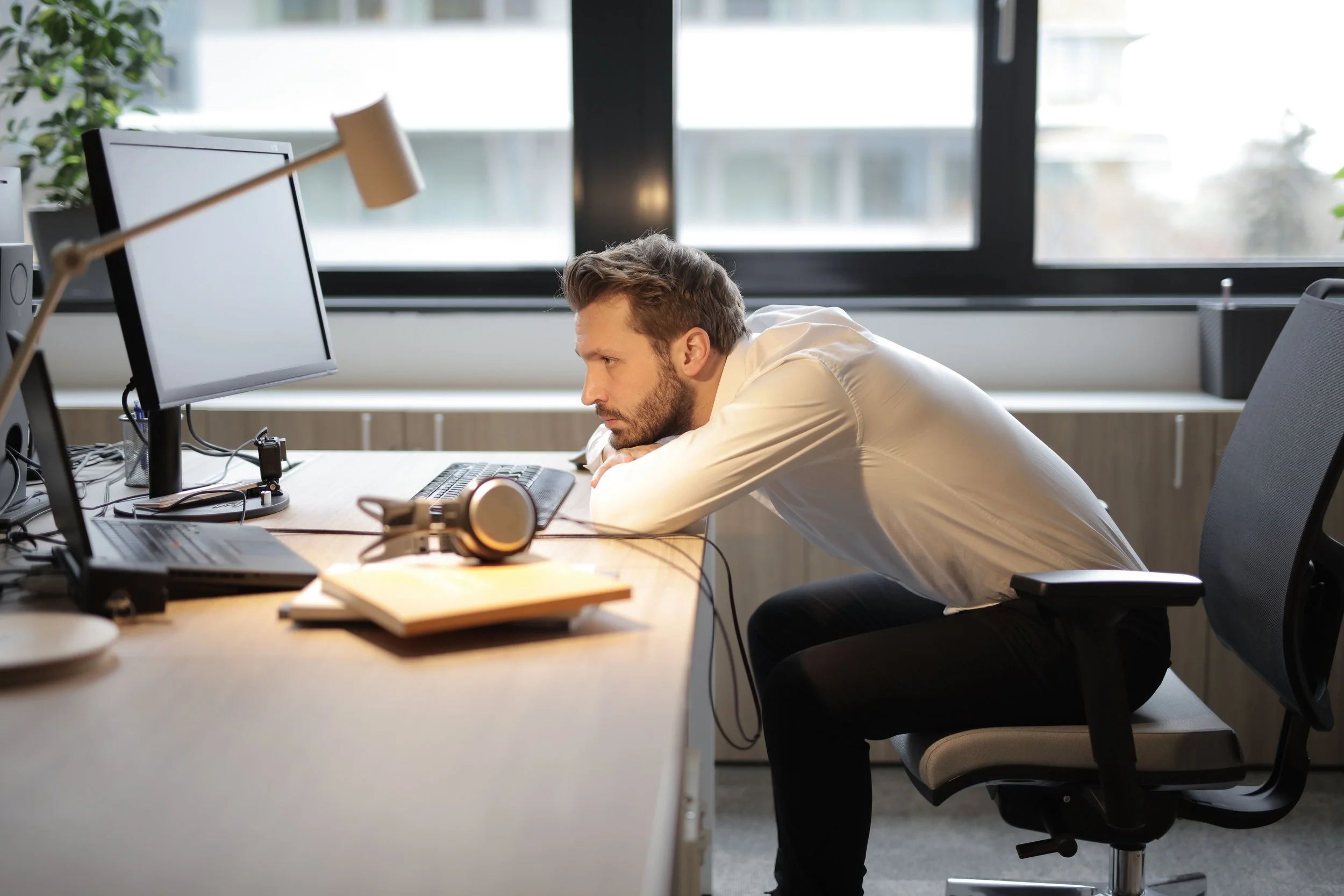
Is Sitting All Day Aging You Even If You Exercise?
Many people assume that a daily workout offsets hours of sitting.
Unfortunately, it isn't always that simple.
You can exercise in the morning and still spend most of the day sedentary.
Research continues to show that prolonged sitting is associated with higher risks of cardiovascular disease, metabolic dysfunction, and premature mortality.
Movement throughout the day matters.
Simple activities can make a difference:
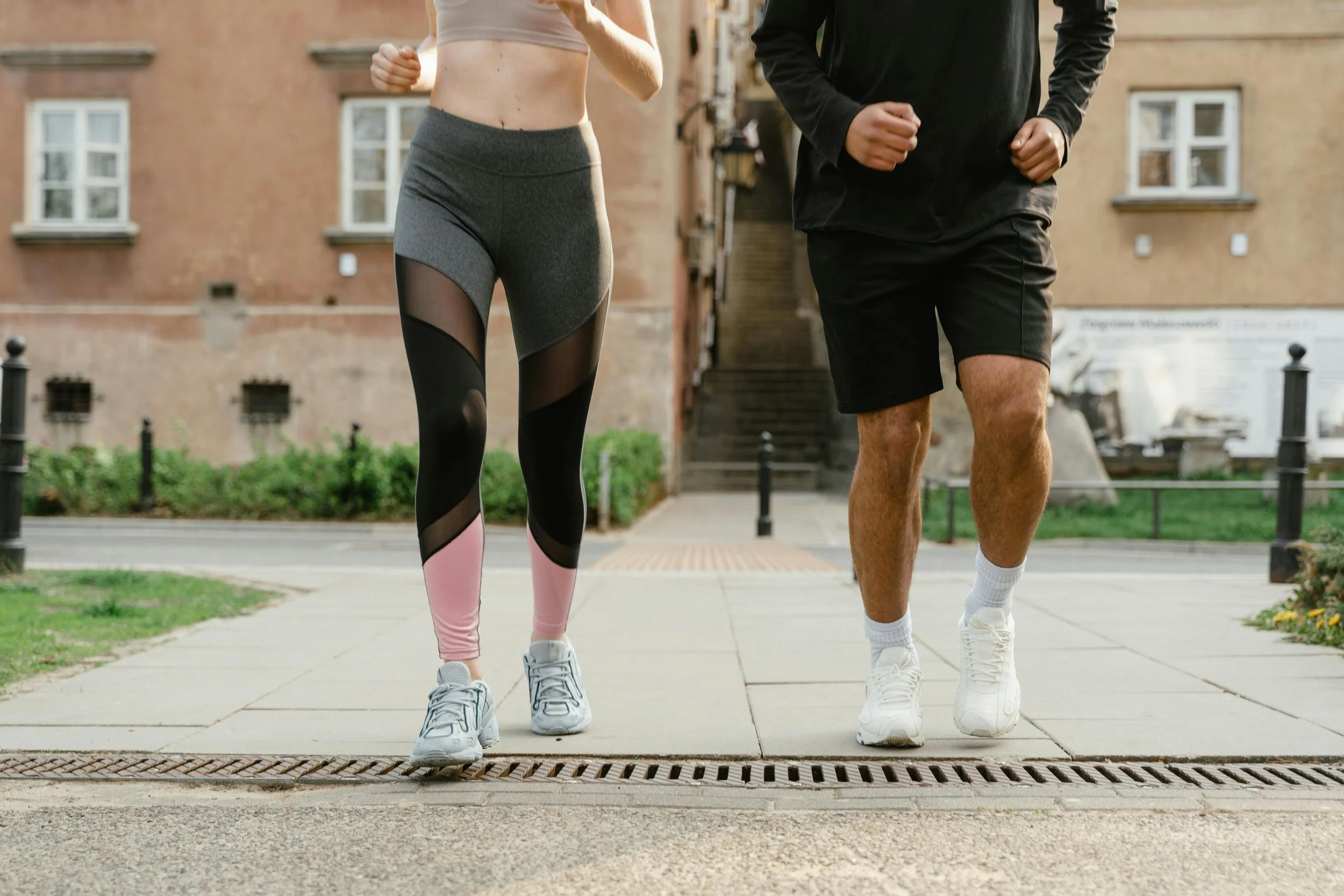
Walking during breaks
Taking the stairs
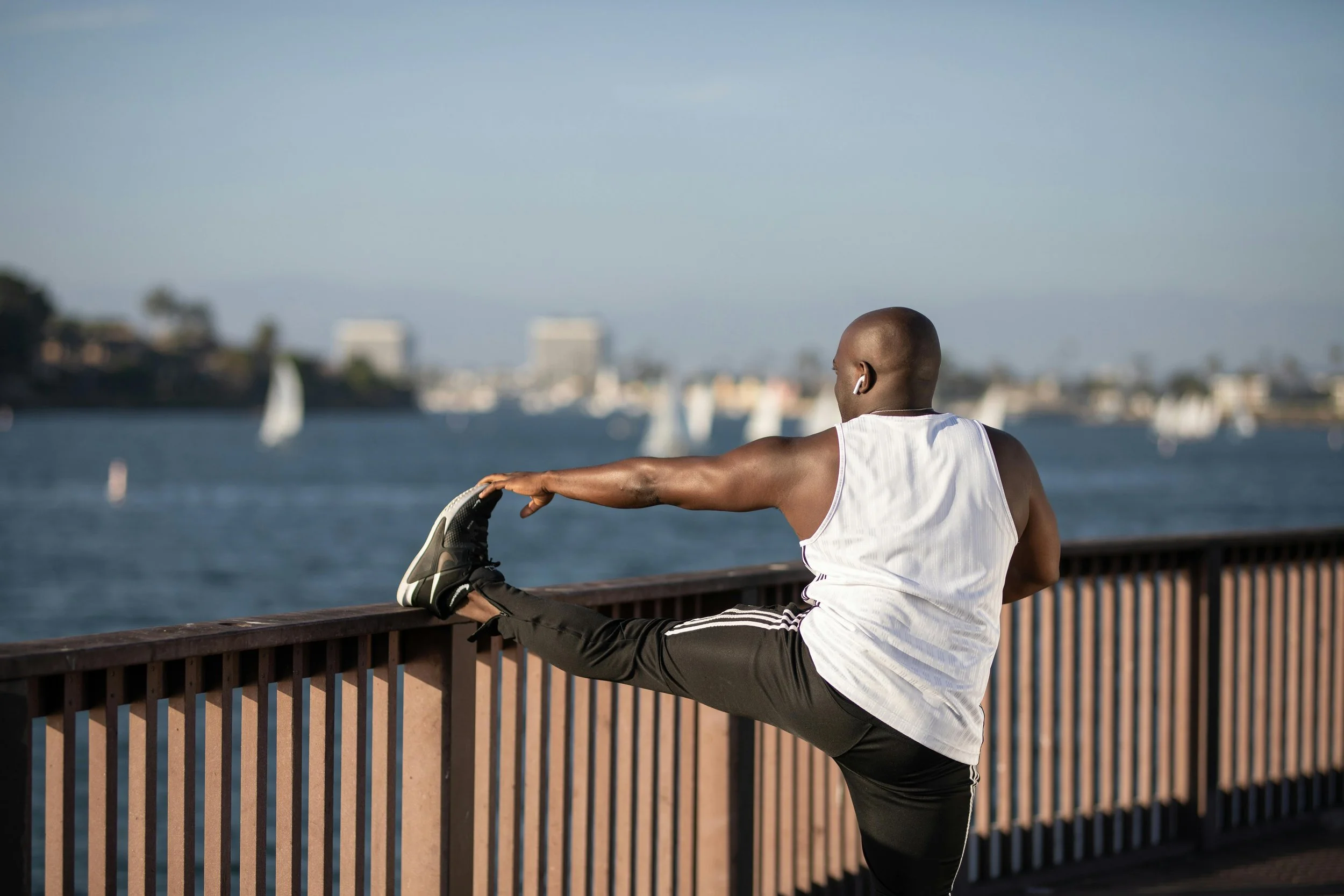
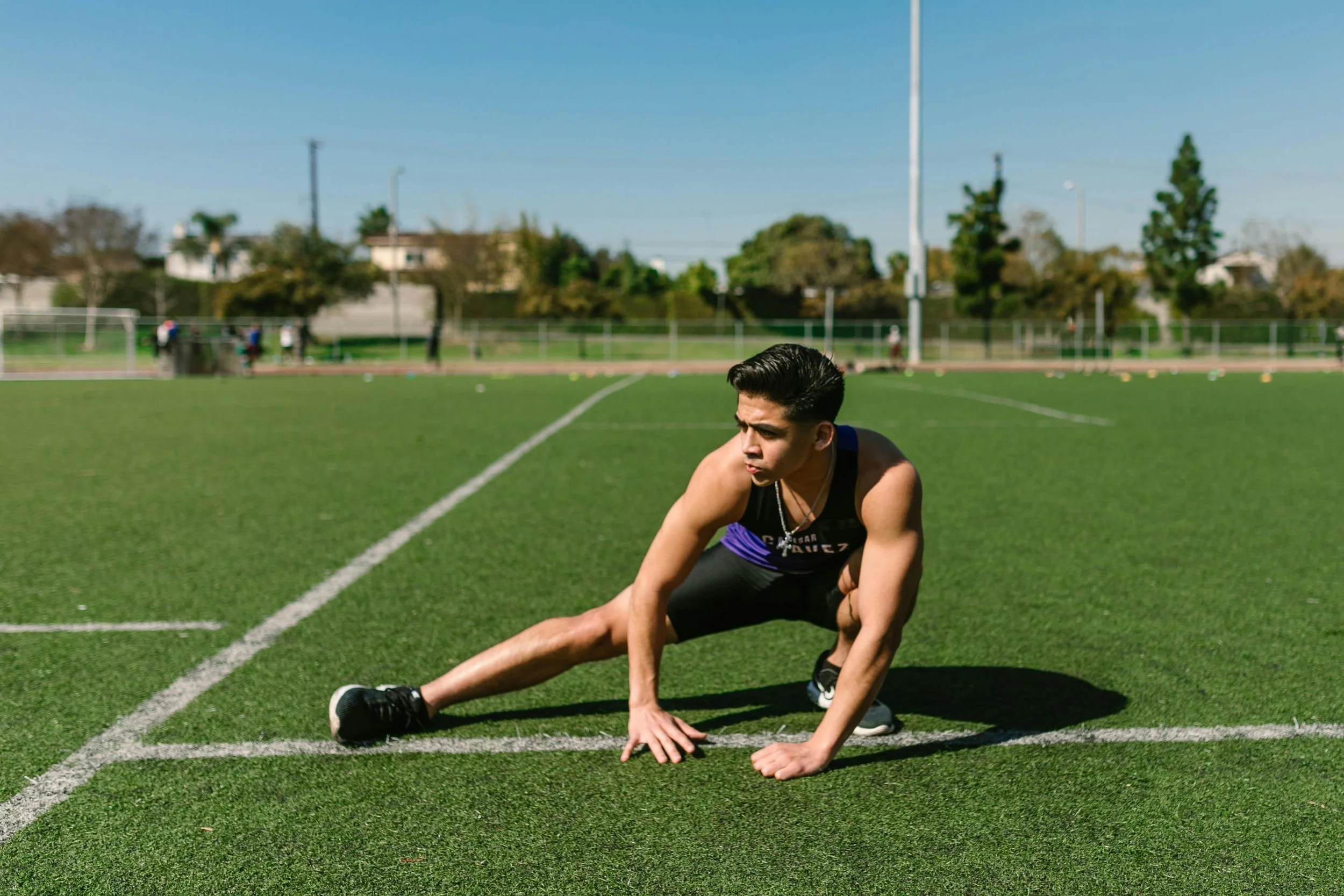
Stretching regularly
Standing more often
These small actions support circulation, mobility, and overall health.
Read this related article: 5 Desk Exercises to Improve Posture and Boost Energy for Remote Workers
How Do Your Diet and Hydration Habits Affect Aging?
Your body constantly repairs and replaces cells.
To do that effectively, it needs proper nutrition and hydration.
Diets high in ultra-processed foods, excess sugar, and nutrient-poor calories can increase inflammation and reduce the body's ability to recover efficiently.
Hydration is equally important.
Many people associate dehydration with dry skin, but it can also affect:
Energy levels
Physical performance
Concentration
Circulation
Healthy Aging Tip
Focus on nutrient-dense foods such as vegetables, fruits, lean proteins, healthy fats, and whole grains while maintaining consistent hydration throughout the day.
Which Habits Cause the Most Premature Aging?
Not all habits carry the same level of risk.
Based on current evidence, the lifestyle habits most strongly associated with accelerated aging include:
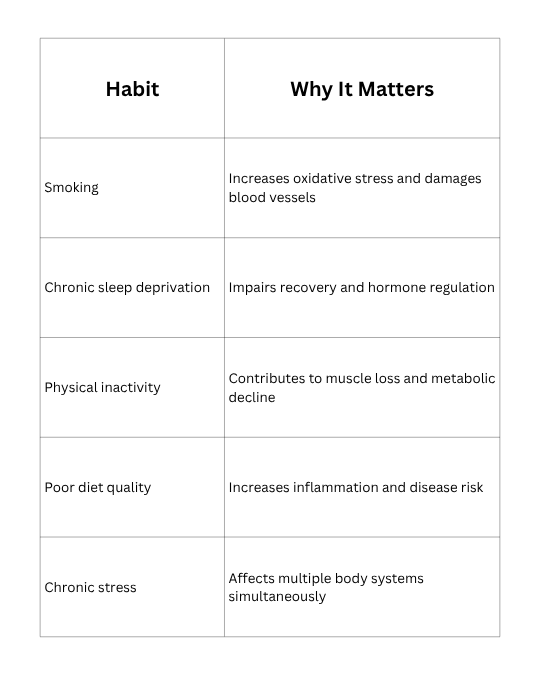
One important observation is that these habits often occur together.
Someone who sleeps poorly may also experience higher stress, lower activity levels, and poorer dietary choices.
That's why improving even one habit can create positive ripple effects throughout the body.
What Are the Early Signs of Accelerated Aging?
The signs of accelerated aging often appear gradually.
Common warning signs include:
Persistent fatigue
Brain fog
Reduced strength
Slower recovery
Frequent illness
Poor sleep quality
Reduced mobility
Difficulty concentrating
Many people dismiss these symptoms as a normal part of getting older.
In reality, they may signal that certain daily habits are affecting your long-term health.
Quick Answer
Low energy, poor recovery, declining physical performance, and reduced resilience to stress are among the most common signs of accelerated aging.
What Can You Do Today to Slow Down Aging Naturally?
If you're wondering how to slow down aging naturally, focus on the habits that provide the greatest return on effort.
Start with these healthy aging tips:
Prioritize quality sleep.
Move throughout the day.
Strength train regularly.
Eat nutrient-dense foods.
Stay hydrated.
Manage stress effectively.
Maintain strong social connections.
Keep learning and challenging your mind.
The goal isn't perfection.
It's consistency.
Small improvements repeated over time often produce the most meaningful long-term results.
Read this related article: How to Maintain Mobility as You Age (Without Intense Workouts)
Want Additional Support for Healthy Aging?
Understanding the daily habits that age you faster is the first step.
The next step is creating a practical plan that helps you move better, stay stronger, and maintain your independence as you age.
A Smarter Path: G-Mobility Program
If you're looking for guided support, the G-Mobility Program was designed to help people improve movement quality without relying on extreme workouts or complicated fitness routines.
It may be a good fit if your goals include:
Moving with greater ease
Reducing stiffness and discomfort
Building functional strength
Improving confidence in daily movement
Supporting long-term mobility and longevity
The objective isn't exhaustion.
The objective is to build a body that remains capable, resilient, and active for years to come.
Want to Go Deeper? Get Your Copy of Build a Body That Lasts
If this article resonates with you, Build a Body That Lasts explores a more comprehensive approach to aging well.
Rather than focusing solely on lifespan, the book focuses on preserving the qualities that matter most as you get older:
Movement
Strength
Structural health
Independence
Quality of life
It offers practical insights and strategies for people who want to stay active, capable, and self-sufficient throughout life.
For many readers, it's the natural next step after learning about the lifestyle habits that affect aging.
Final Thoughts: Your Daily Habits Shape Your Future Health
Many people believe aging simply happens to them.
But the reality is more encouraging.
The choices you make each day influence how well your body functions, recovers, and adapts over time.
The most damaging habits are rarely dramatic. More often, they're the everyday behaviors that quietly become part of your routine.
Poor sleep.
Chronic stress.
Too much sitting.
Poor nutrition.
Neglecting recovery.
The good news is that these habits can change.
And when they do, your health trajectory can change with them.
Your body is constantly adapting to the choices you make. The daily habits that age you faster today can also become the healthy habits that help you build a stronger, healthier future.